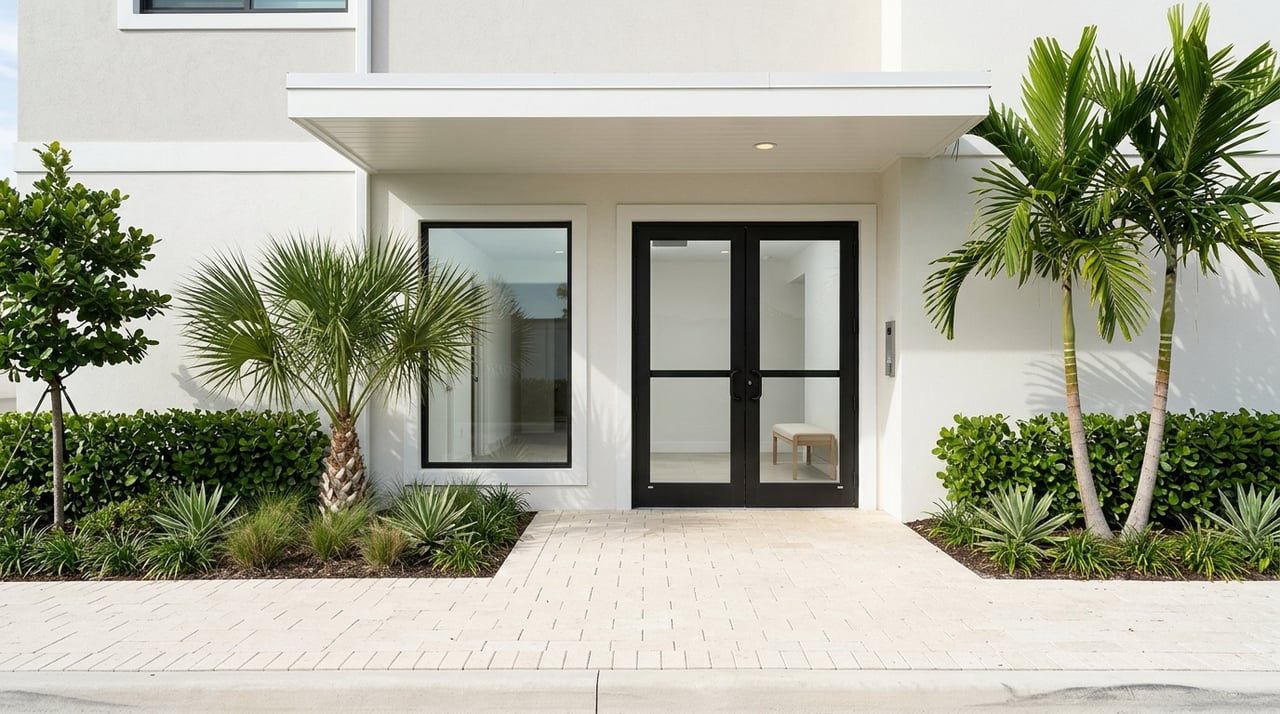
Dreaming of less yard work, fewer repair headaches, and more time to enjoy Venice’s beaches, trails, and downtown? If you want a home that feels easy to manage, a condo can be a smart fit, but not every condo delivers the same kind of low-maintenance living. The key is knowing what to compare before you buy, so you can spot the difference between a simple lifestyle and surprise costs. Let’s dive in.
Why Venice condos appeal
Venice stands out for buyers who want convenience built into daily life. Downtown Venice is compact and historic, Venice Beach is less than a mile from downtown, and the area connects you to nearby walking and biking options through Venice Beach, Venetian Waterway Park, and the Legacy Trail network.
That setup can make condo living feel especially practical. Instead of spending weekends on yard work or exterior upkeep, you may be able to focus more on enjoying the location and the lock-and-leave lifestyle many buyers want in Southwest Florida.
What low-maintenance living really means
Low-maintenance does not always mean low-cost. In a condo, you often trade exterior chores and yard work for monthly assessments, shared decision-making, and community rules.
That trade can still be well worth it if the community is well run. The best condo choice is often the one with clear documents, understandable insurance responsibilities, and reserves that match the building’s age and condition.
Common condo styles in Venice
Venice condo communities often fall into a few familiar patterns. Looking at local examples can help you picture what may fit your lifestyle best.
Low-rise condo buildings
Some communities use a traditional low-rise format with multiple buildings and practical shared amenities. Island Park is one example, with four low-rise buildings, screened lanais, under-building parking, storage, a clubhouse, an exercise room, and a heated pool.
This style may appeal to you if you want a classic condo setup with fewer exterior responsibilities. It can also be a good fit if covered parking and extra storage matter to you.
Apartment-style units
Many Venice condo examples feature two-bedroom, two-bath layouts, sometimes with a den. Golfview of Capri, for example, offers upper and lower units with lanais, a heated pool, shuffleboard, and a clubhouse.
If you want enough space for guests, hobbies, or a home office without taking on a larger property, this type of layout can make sense. A den can be especially helpful if you split time between Florida and another home.
Paired-villa communities
Some condo ownership options look and feel more like villas than apartment units. Myrtle Trace uses a paired-villa format with several floor plans, waterfront or green-belt settings, and a clubhouse and pool social calendar.
This format can be attractive if you want a bit more privacy or a more residential feel. It may give you the balance of easier upkeep with a floor plan that feels closer to a single-family home.
Resort or club-style communities
Amenity-rich communities can add convenience, but they may also come with more layers to review. In communities tied to golf or broader recreational amenities, you should confirm whether club membership is optional, required, or separate from regular condo costs.
That matters because Florida requires clear disclosure when a community has a separate recreational facilities lease or club membership. In practical terms, you want to know exactly what you are paying for before you fall in love with the pool, clubhouse, or golf setting.
Compare fees the right way
Monthly condo dues are one of the first numbers buyers notice, but they rarely tell the whole story. Florida law defines condominium common expenses broadly, and those costs can include operation, maintenance, repair, replacement, protection of common elements, management, insurance, security, and other items listed in the governing documents.
So when you compare condos in Venice, ask what the dues actually cover. A higher monthly fee may support stronger reserves, better maintenance, or broader insurance coverage, while a lower fee could leave you exposed to future increases or assessments.
Why reserves matter
Florida law requires reserve budgeting for major items such as roof replacement, building painting, and pavement resurfacing. For many buildings subject to structural integrity reserve rules, reserve funding must follow the most recent structural integrity reserve study.
That means reserves are not just a background detail. They can directly affect your future costs and your confidence in the building’s long-term upkeep.
Watch for special assessments
Regular assessments and special assessments are not the same thing. Florida law allows reserve funding through regular assessments, special assessments, lines of credit, or loans, and some of those options require majority owner approval.
For you as a buyer, the takeaway is simple: the cheapest monthly dues do not always mean the most affordable condo. If a community has deferred maintenance or weak reserves, your true carrying cost may be higher later.
Review documents before you commit
One of the best ways to protect yourself is to study the condo documents carefully. Florida law gives buyers and owners important access to official records, and that access can help you spot red flags early.
As of 2026, associations with 25 or more units must post key records online or through an app. Those records include items such as the declaration, bylaws, rules, budgets, minutes, contracts or bids, financials, inspection reports, and the most recent structural integrity reserve study.
Even outside of that online access, unit owners can request official records, and the association generally has 10 working days to provide access after a proper written request. For a buyer, this reinforces why document review should be part of your decision, not an afterthought.
Focus on these records
Before making an offer, try to review:
- The declaration and bylaws
- Community rules and use restrictions
- The current budget and recent financials
- Meeting minutes
- Insurance information
- Inspection reports
- The most recent structural integrity reserve study, if applicable
These documents can tell you a lot about how the community is run. They can also show whether the association is proactive or reacting late to repairs and expenses.
Understand rules before you buy
A low-maintenance condo usually comes with more community rules than a single-family home. That is not necessarily a bad thing, but you want those rules to match how you plan to live.
Some communities have very specific restrictions. Island Park, for example, limits pets to under 35 pounds and does not allow boats, motorcycles, RVs, or gas or charcoal grills.
Ask about daily-life restrictions
Before you move forward, ask about rules for:
- Pets
- Leasing
- Guest use
- Parking
- Storage
- Grills
- Balconies or lanais
If you are buying a seasonal home, these details matter even more. The right community should support your lifestyle, not complicate it.
Insurance and maintenance responsibilities
One of the biggest condo misunderstandings is assuming the association covers everything. In Florida, the association is required to maintain adequate property insurance, but that policy usually does not cover everything inside your unit.
The association policy generally covers the condominium property as originally installed or with like kind and quality. It typically excludes a unit owner’s personal property and many interior finishes, coverings, fixtures, appliances, built-ins, and window treatments, which is why buyers usually need their own unit-owner policy.
Clarify who handles what
You should ask exactly who is responsible for:
- Windows and sliders
- Shutters or impact protection
- Balconies or lanais
- HVAC equipment
- Limited-common-element items
Florida guidance also notes that associations have an irrevocable right of access to units when needed for maintenance or to prevent damage. That is another reason to understand the shared nature of condo ownership before you buy.
Venice flood and evacuation questions
In Venice, coastal location is part of the appeal, but it also means you should look closely at flood and evacuation details. Sarasota County says FEMA issued new flood maps on March 27, 2024, and those maps can affect insurance requirements and premiums.
It is also important to know that flood maps and evacuation levels are not the same thing. Sarasota County states that evacuation zones are based on where you live and the type of structure you live in, and when an evacuation notice is issued, residents are being advised to leave.
Building-specific questions matter
For condo buyers, flood risk is not just about the map. Sarasota County building guidance notes that HVAC equipment in flood zones that is damaged by flooding must be elevated when replaced.
You should also know whether the building is subject to mandatory milestone inspections, which apply to condominium and cooperative buildings that are three stories or taller. Florida law and state guidance say milestone inspection reports and structural integrity reserve studies are part of the official record and must be shared with potential purchasers.
Condo vs single-family upkeep
If you are choosing between a condo and a house in Venice, the real question is how you want to spend your time and manage risk. A condo can reduce your direct responsibility for yard work and some exterior maintenance, but it also means living with shared governance, monthly assessments, and community policies.
A single-family home may offer more control, but it often comes with more hands-on upkeep. For many seasonal buyers, retirees, and second-home owners, the lock-and-leave structure of a condo is what makes Venice living feel easier.
Your Venice condo checklist
If your goal is true low-maintenance living, bring these questions with you as you compare communities:
- What do the monthly dues cover?
- Are reserves fully funded, or still being built?
- Are there current or planned special assessments?
- Has the building completed any required milestone inspection or structural integrity reserve study?
- Who is responsible for windows, doors, shutters, lanais, balconies, and HVAC?
- Are there pet, lease, parking, storage, grill, or guest restrictions?
- Is there a separate club, golf, master-association, or recreation fee?
- What is the flood zone for the property?
- What is the evacuation level for the building’s location?
- Can you review the declaration, bylaws, rules, budget, insurance details, financial reports, and other official records before making an offer?
The right condo is not always the one with the lowest dues or the flashiest amenities. In Venice, the better long-term fit is often the one that gives you a clear picture of costs, responsibilities, and building condition from day one.
If you want help comparing Venice condos with a local, practical eye, The Real Estate Captains can help you chart the right course with clear guidance and hands-on support.
FAQs
What makes a Venice condo good for low-maintenance living?
- A Venice condo can be a good low-maintenance option if it reduces your exterior upkeep, offers a lock-and-leave setup, and has clear rules, solid reserves, and understandable insurance responsibilities.
What should you review before buying a condo in Venice?
- You should review the declaration, bylaws, rules, budget, financials, insurance information, meeting minutes, inspection reports, and any structural integrity reserve study or milestone inspection records that apply.
What do condo fees usually cover in Florida?
- Florida condo fees may cover items such as operation, maintenance, repair, replacement, protection of common elements, management, insurance, security, and other costs identified in the governing documents.
Why do special assessments matter for Venice condo buyers?
- Special assessments matter because a condo with lower monthly dues may still become more expensive if the association has deferred maintenance, limited reserves, or major repair costs that are passed on to owners.
What insurance do you need for a condo in Venice?
- In many cases, the association’s policy covers the condominium property as originally installed or with like kind and quality, while you may still need a unit-owner policy for personal property and many interior finishes, fixtures, appliances, built-ins, and window treatments.
What flood questions should you ask when buying a Venice condo?
- You should ask about the property’s flood zone, whether new flood maps affect insurance requirements or premiums, and what evacuation level applies to the building’s location because flood maps and evacuation zones are not the same.
What condo rules should you ask about in Venice communities?
- You should ask about pet, lease, guest, parking, storage, and grill restrictions, along with any separate club or recreation fees, so you know whether the community fits how you plan to use the property.