If you are thinking about selling in Englewood, timing and preparation matter more than ever. This coastal market still attracts steady interest, but buyers are paying close attention to price, condition, flood details, and paperwork before they commit. In this guide, you will learn how to prepare, price, market, and close your Englewood home with fewer surprises and a smoother path from listing to sold. Let’s dive in.
Understand the Englewood market first
Englewood has a unique setup because it spans both Sarasota and Charlotte counties. That matters when you are selling, since permit history, property records, and local rules may depend on the exact parcel location, especially within the Sarasota County portion of Englewood’s CRA area, as noted by Sarasota County.
This is also a seasonal coastal market. According to Visit Sarasota County, peak season runs from January through April, winter population rises sharply, and the county welcomed 2.71 million visitors in FY2025 with more than $2.3 billion in direct spending. For you as a seller, that means it helps to have your home fully ready before winter traffic ramps up.
Market conditions also call for realism. Redfin’s Englewood housing data reported a February 2026 median sale price of $314,000, 90 days on market, and a 94.6% sale-to-list ratio, while Realtor.com described Englewood as a buyer’s market in January 2026. The takeaway is simple: strong preparation and accurate pricing matter more than hoping for an automatic bidding war.
Step 1: Confirm your property records
Before you think about photos or open houses, start with the paper trail. In Englewood, buyers often ask early about permits, repairs, flood zone status, and major system updates because coastal ownership comes with extra questions.
Sarasota County’s building department advises homeowners to work with licensed and insured contractors and provides permit search tools. The county also notes that flood zone status should be confirmed through the property appraiser site, not guessed from memory or an old insurance policy.
This step is especially important if you have replaced a roof, updated windows, repaired storm damage, renovated a kitchen, upgraded electrical, or done other major work. If permits were required, buyers may want proof that the work was properly handled.
What to gather before listing
- Permit records for major improvements
- Receipts and invoices for repairs or upgrades
- Roof, HVAC, plumbing, or electrical service records
- Insurance claim history, if applicable
- Survey, if you have one
- HOA or condo documents, if applicable
- Flood insurance information, if applicable
A clean file helps you answer questions quickly and can reduce delays once you are under contract.
Step 2: Check flood status early
In a coastal market like Englewood, flood questions are not a side issue. They are often central to how buyers evaluate monthly costs, insurance needs, and future risk.
Florida also requires a flood disclosure at or before contract execution under Florida Statute 689.302. The form states clearly that homeowners insurance does not include flood coverage, and FEMA notes that flood insurance may be available even outside high-risk areas.
You should also know that Sarasota County says new FEMA flood maps became effective in March 2024. So if your understanding of your home’s flood status is based on older records, this is a good time to verify it.
Flood questions buyers may ask
- What flood zone is the property in?
- Has the property had prior flood damage or claims?
- Is flood insurance currently in place?
- Have elevation-related improvements been made?
- Were storm-related repairs permitted and documented?
The more clearly you can answer these questions, the more confidence you build with buyers.
Step 3: Make strategic repairs and prep the home
Not every home needs a full renovation before listing. But in a market where buyers have more room to negotiate, visible deferred maintenance can cost you time and money.
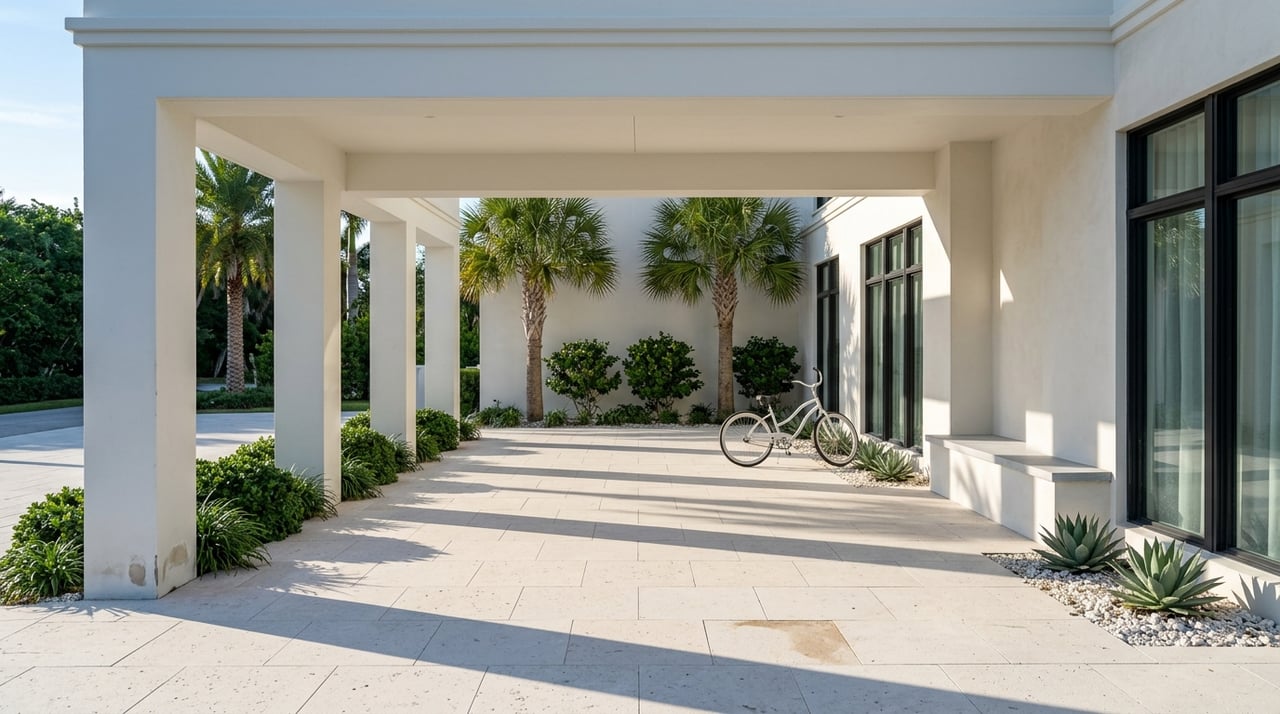
In Englewood, buyers often notice exterior condition, windows, doors, roofing, mechanical systems, and signs of moisture exposure. A home that feels cared for usually shows better than one that looks like it still has a to-do list attached.
Focus first on issues that affect a buyer’s confidence. That may include repairing obvious damage, servicing major systems, replacing broken fixtures, touching up paint, cleaning outdoor areas, and making sure the property feels bright and well maintained.
Step 4: Stage before photos
Your first showing usually happens online. That is why staging and presentation should be finished before photography, not after.
According to the National Association of Realtors 2025 staging snapshot, 83% of buyers’ agents said staging makes it easier for buyers to visualize a property as a future home. The most commonly staged rooms were the living room, primary bedroom, and dining room.
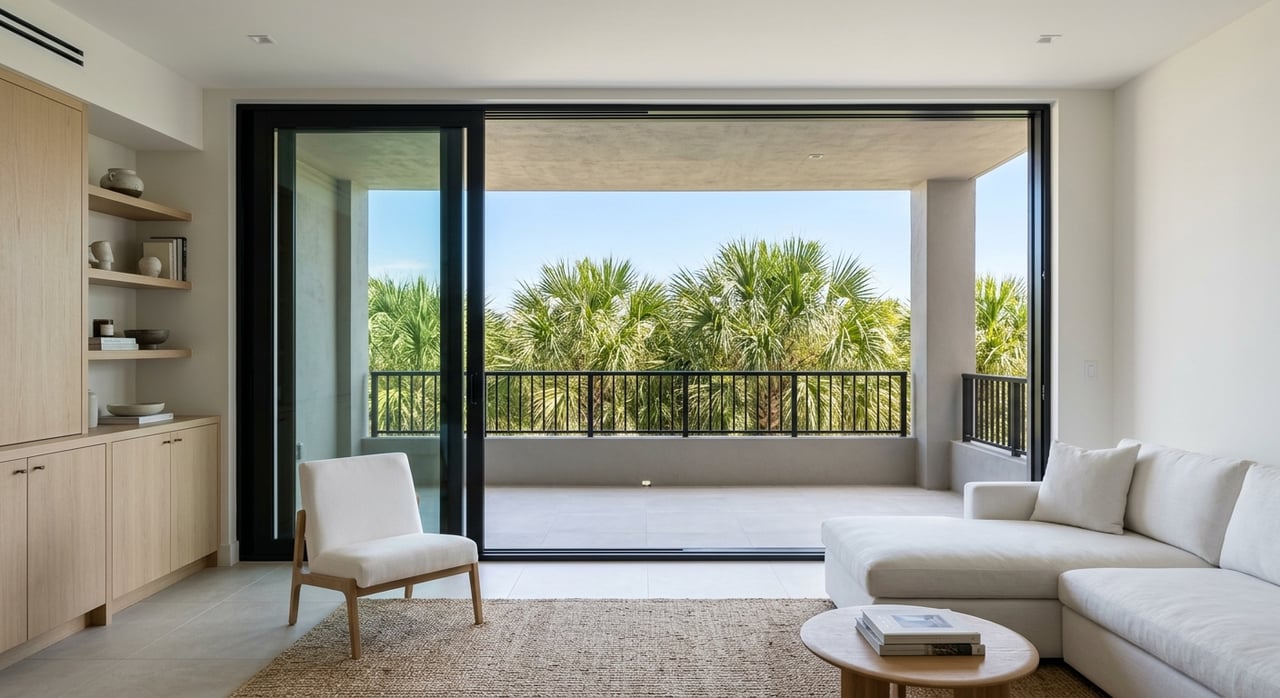
For an Englewood listing, that means clean, airy, uncluttered rooms tend to work best. Bright photos, simple furniture layouts, and a finished look can help buyers focus on the home itself rather than on personal items or unfinished projects.
Rooms to prioritize
- Living room
- Primary bedroom
- Dining area
- Kitchen counters and breakfast spaces
- Outdoor living areas
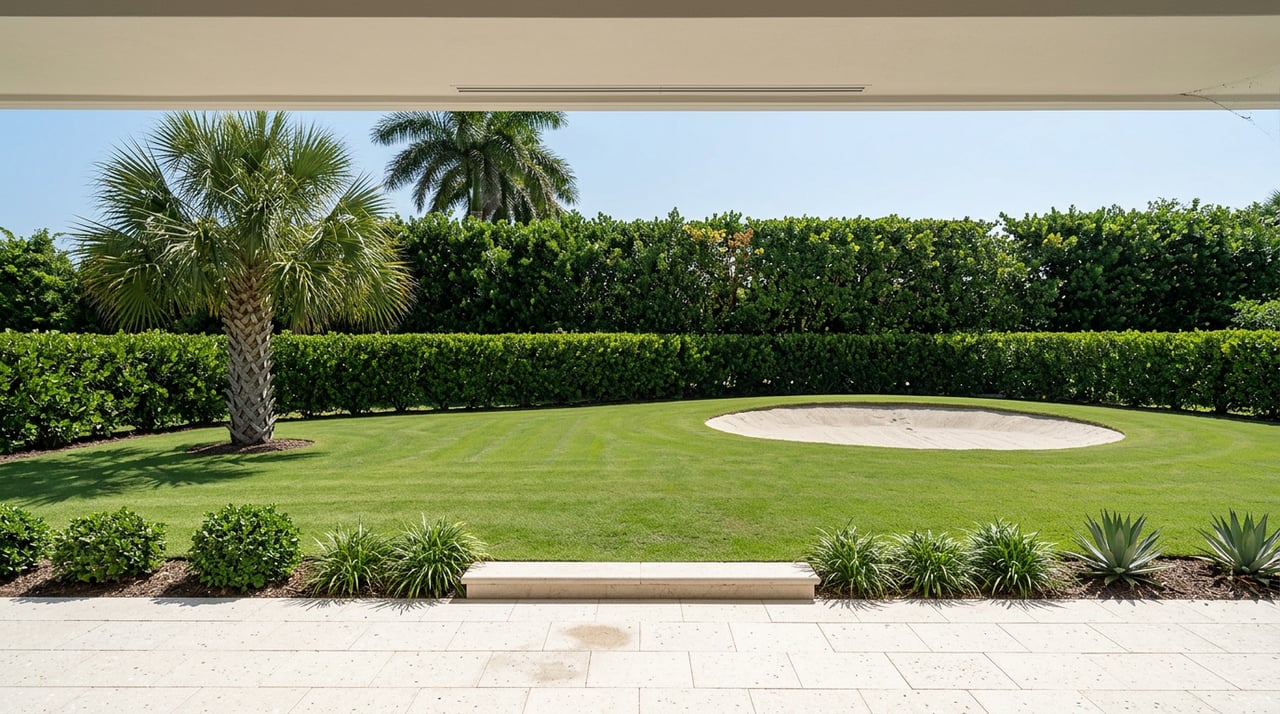
If your home has a lanai, patio, or water-view seating area, make sure that space looks intentional and ready to enjoy. In a coastal market, outdoor living often plays a major role in buyer interest.
Step 5: Price for today’s market
Pricing is one of the biggest decisions you will make. If you price too high in a market with longer days on market, you may lose momentum and end up making reductions later.
Current data suggest buyers in Englewood are negotiating. Redfin reported a 94.6% sale-to-list ratio and 90 days on market in February 2026, and Realtor.com reported homes sold 5.13% below asking on average in January 2026. That does not mean your home cannot sell well, but it does mean pricing should reflect current competition and condition.
A smart pricing strategy looks at recent comparable sales, active competition, location, updates, flood considerations, and how your home will appear online next to similar listings. Accurate pricing helps attract serious buyers early, when your listing is freshest.
Step 6: Launch with timing in mind
Because Englewood is tied to seasonal traffic, your listing date can shape your results. Peak visitor season in Sarasota County runs from January through April, according to Visit Sarasota County, so many sellers benefit from being market-ready before that window is in full swing.
That does not mean you can only sell in winter. It means your prep timeline should be deliberate. If you want to catch seasonal demand, give yourself enough time to complete repairs, gather records, stage the home, and get professional marketing in place before buyer activity peaks.
Step 7: Handle disclosures carefully
Florida sellers must disclose known facts that materially affect the property’s value when those facts are not readily observable. Florida Realtors explains that this duty applies even in as-is sales, and written disclosure is recommended.
That is especially important in a coastal market, where buyers may ask about prior water intrusion, insurance claims, storm damage, repairs, or known structural issues. If there is pending code enforcement, that also must be disclosed in writing along with related notices, and the buyer must be told future compliance becomes their responsibility.
Clear disclosures can help prevent contract problems later. It is usually far easier to address concerns up front than after a buyer has already invested time and money in inspections.
Step 8: Prepare for condo-specific questions
If you are selling a condo or cooperative property in Englewood, buyers may review more than just your unit. Building age, inspection status, and association documents can all matter.
Sarasota County states that milestone inspections are required for condo or cooperative buildings with three or more habitable stories once the building reaches 30 years of age, and then every 10 years after that. If your property falls into that category, inspection status and related documents may become part of the buyer’s review.
Having association information organized early can make the process much smoother.
Step 9: Expect negotiation after the offer
A signed offer is a big milestone, but it is not the finish line. In Englewood’s current market, buyers may negotiate on price, closing costs, repairs, timelines, or credits after inspections and document review.
This is where steady, local guidance can make a real difference. The NAR 2025 Profile of Home Buyers and Sellers found that 91% of sellers used a real estate agent, and 66% used an agent they had been referred to or had used before. That reflects how valuable experienced representation can be when the details start moving quickly.
The goal is not just to get an offer. The goal is to get to closing with as little friction as possible.
Step 10: Know your closing costs and final steps
As you get closer to closing, make sure you understand the final numbers and any unresolved issues. In Florida, documentary stamp tax on deeds is 70 cents per $100 of consideration under Florida Statute 201, and recordable instruments must have taxes paid before recordation.
You will also want to make sure permit questions, repair documentation, flood disclosures, and any code or association issues are handled before closing. Loose ends in these areas can delay a file when you are already close to the finish line.
Why preparation matters in Englewood
Selling in Englewood is not just about putting a sign in the yard. It is about presenting a coastal property the right way, backing it up with clean documentation, and pricing it for the market that exists now.
When your home is well staged, accurately priced, and supported by strong records, buyers have fewer reasons to hesitate. That can mean better showing activity, smoother negotiations, and a cleaner path to closing.
If you want a local team to help you chart the right course, connect with The Real Estate Captains. We offer hands-on guidance, responsive communication, and local coastal insight to help you sell with confidence.
FAQs
What makes selling a home in Englewood different from other Florida markets?
- Englewood is a coastal, seasonal market with buyers who often focus closely on flood zone status, permits, insurance questions, documentation, and realistic pricing.
When is the best time to list a home in Englewood?
- Sarasota County’s peak visitor season runs from January through April, so many sellers benefit from having their home fully market-ready before that seasonal window gains momentum.
What disclosures are required when selling a home in Englewood?
- Florida sellers must disclose known material facts that are not readily observable, and flood disclosure is required at or before contract execution.
Why do permit records matter when selling an Englewood home?
- Buyers may ask for proof that major work like roofs, windows, electrical updates, or storm repairs was properly completed, especially in a coastal area where maintenance history matters.
Should I stage my Englewood home before listing it for sale?
- Yes. NAR reports that staging helps buyers visualize a property as a future home, and it should be completed before listing photos are taken.
What closing cost should sellers expect in Florida deed transfers?
- Florida documentary stamp tax on deeds is 70 cents per $100 of consideration, though your total closing costs may include other transaction-related expenses as well.