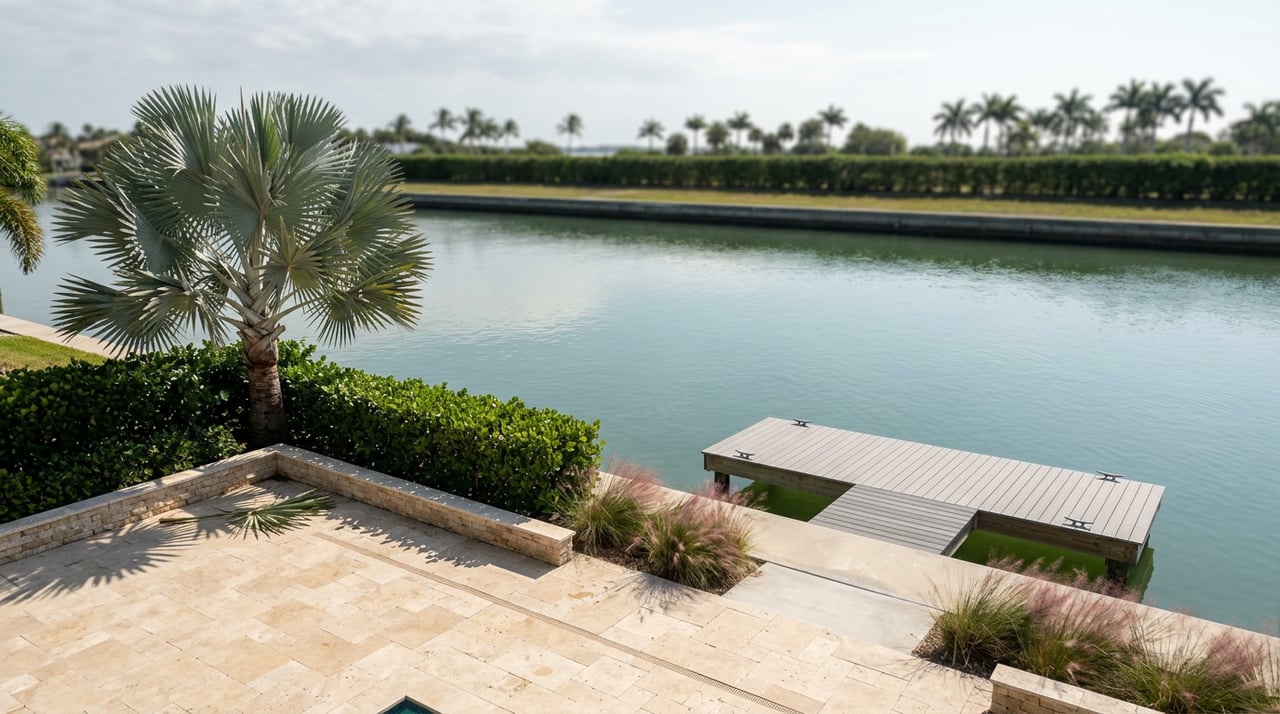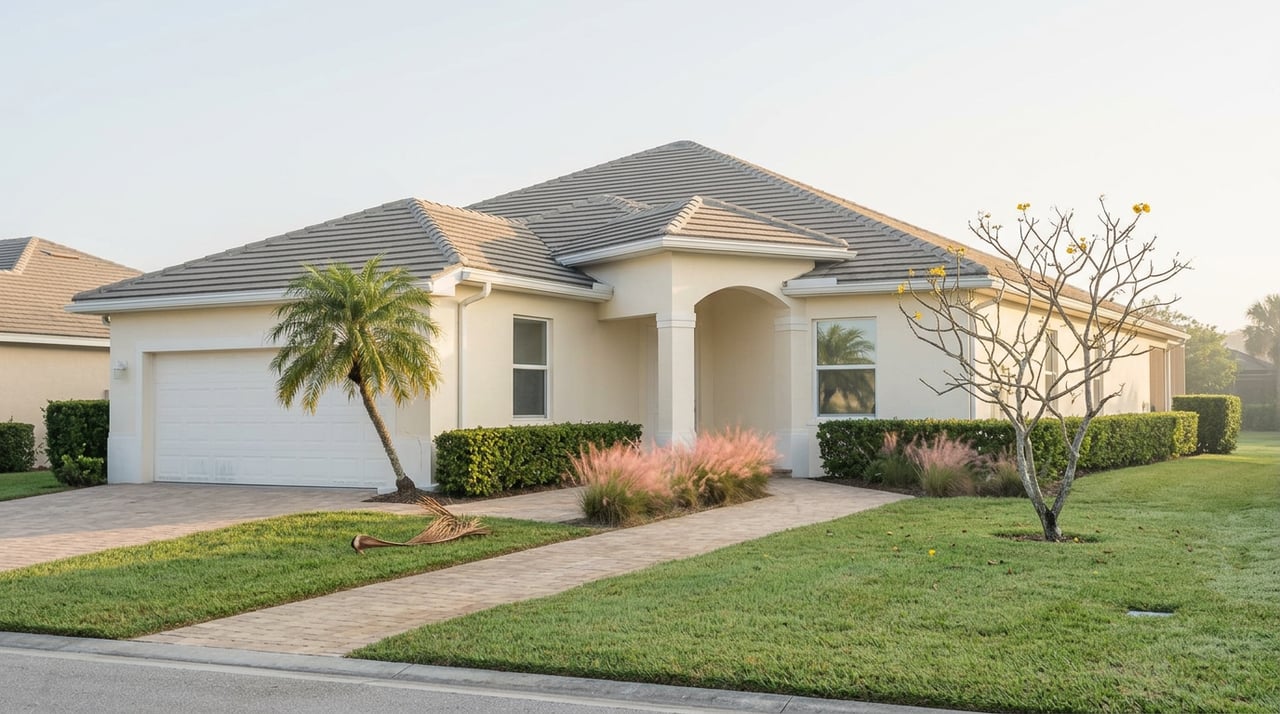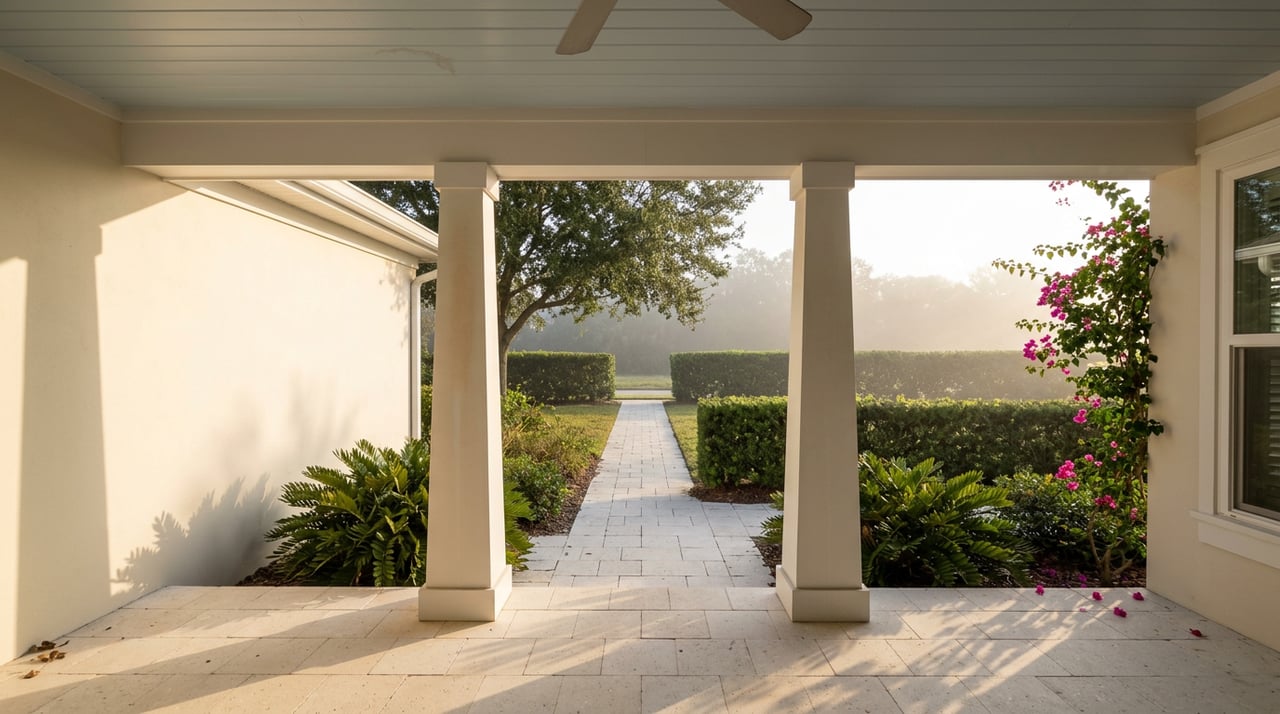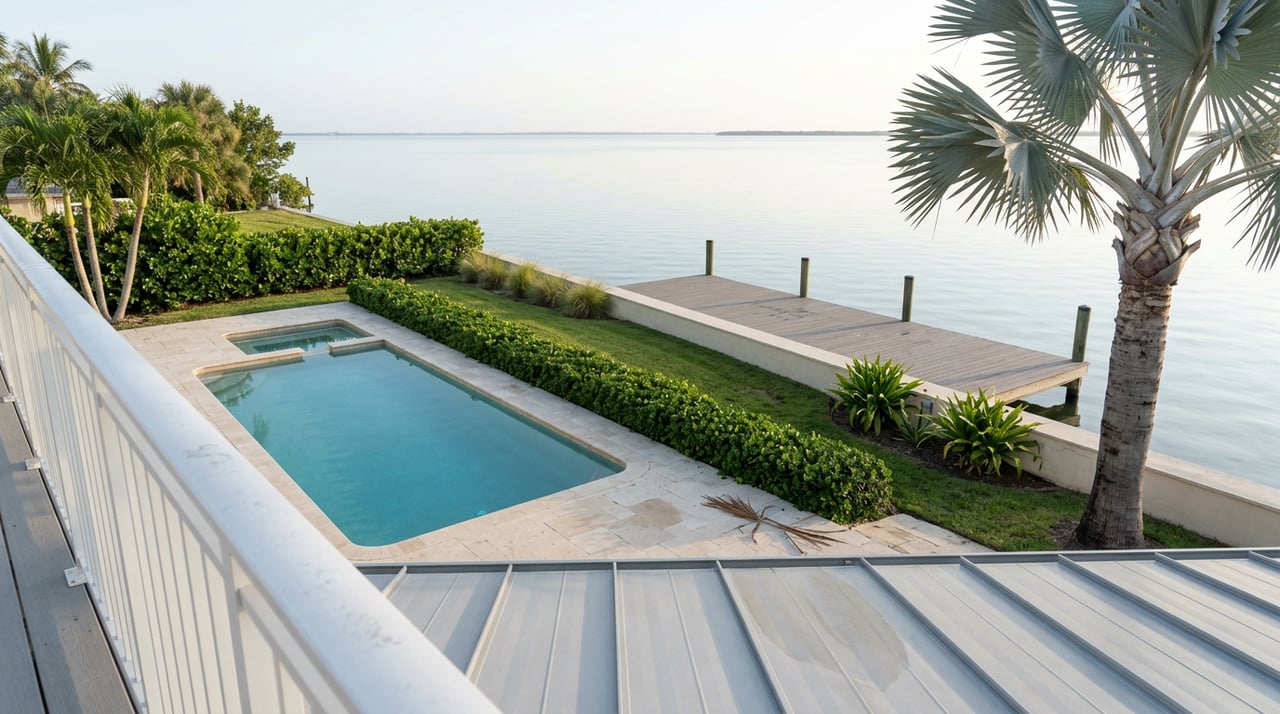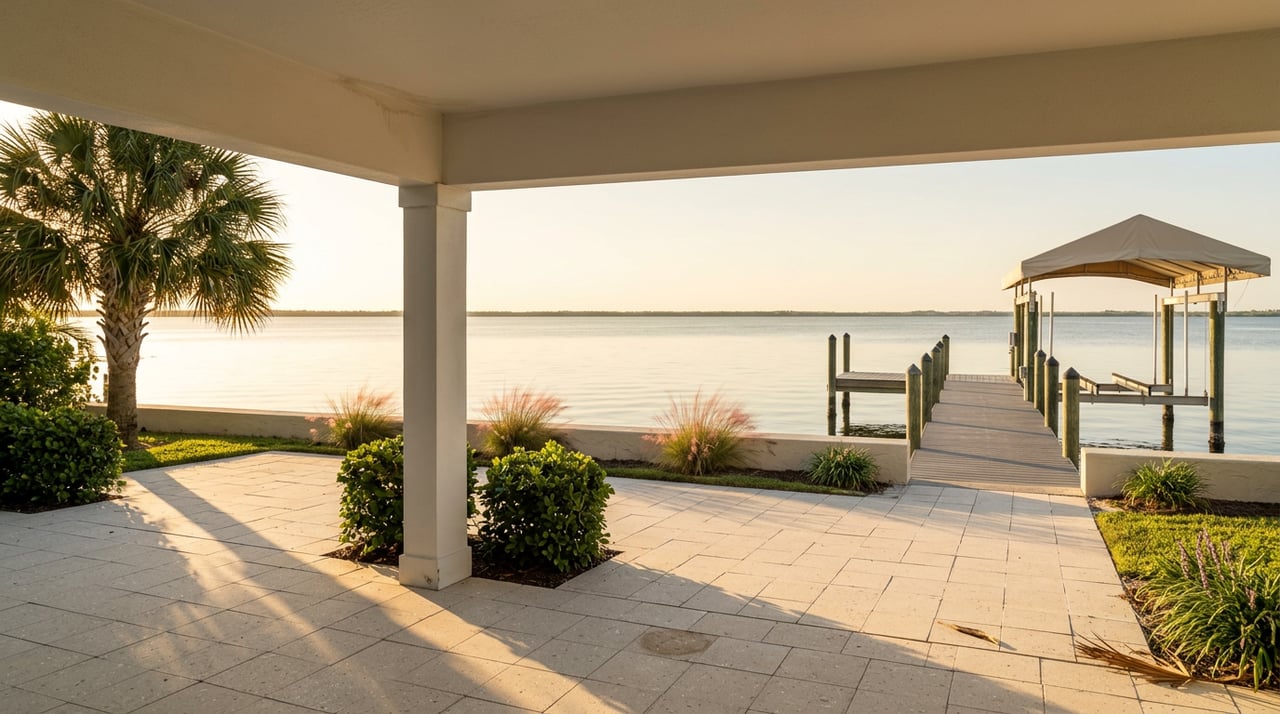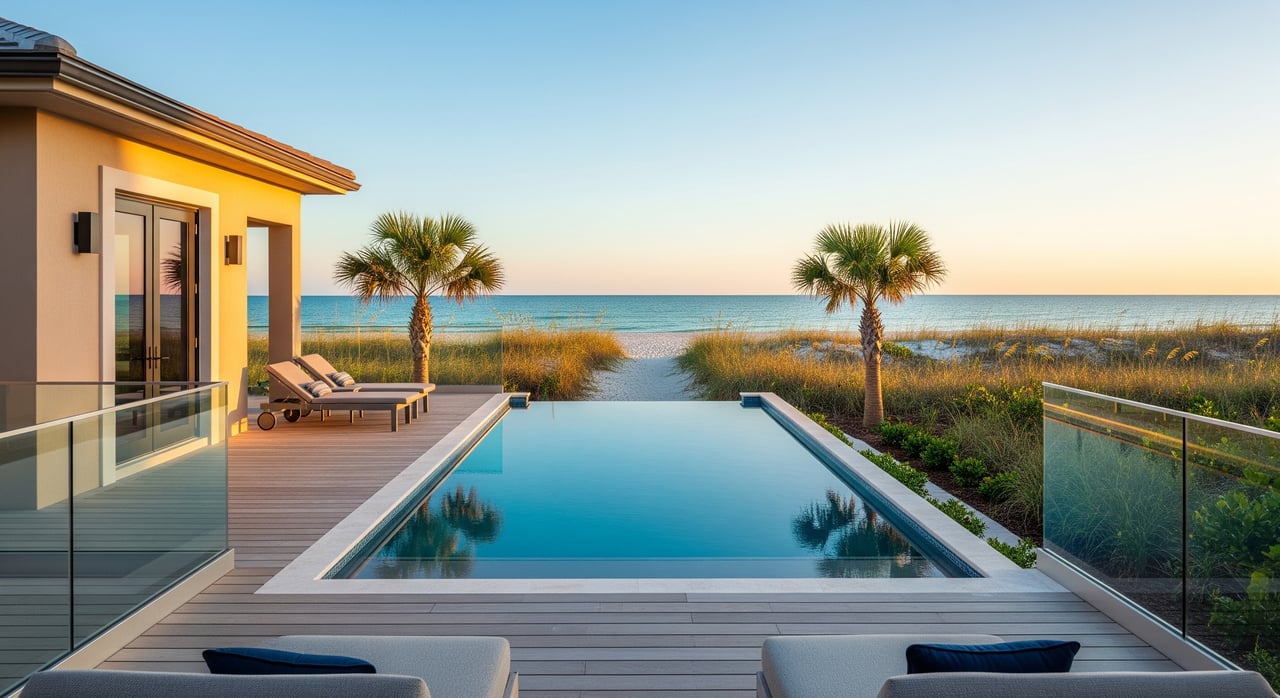
Thinking about spending your winters on Florida’s Gulf Coast? Venice gives you the small-city charm you want with beaches, bike trails and easy everyday living. If you split time between states, you need a place that works smoothly for seasonal life, from housing and healthcare to transportation and hurricane prep. This guide shows you how to set up a worry-free routine in Venice and make the most of the peak season.
Let’s dive in.
Why Venice works for snowbirds
Venice sits on Florida’s southwest Gulf Coast in Sarasota County. It’s a compact coastal city with about 25,000 residents, and it feels lively without feeling crowded. You’ll notice a winter influx of seasonal residents from the Midwest and Northeast. Local businesses and services are used to the rhythm and scale up during the busiest months.
Peak season runs December through April. That is when beaches are active, community calendars are full and restaurant waits can be longer. If you like mild, dry winters and sunny days, the subtropical climate will fit your routine.
Daily life and neighborhoods
Downtown and walkability
Historic Downtown Venice centers on West Venice Avenue and nearby streets. It is pedestrian-friendly, with cafes, galleries and a weekly farmers market. If you want to walk to coffee, dinner and small shops, this area is a strong fit. Outside of downtown, most neighborhoods are suburban and you will likely drive for errands.
Beaches and outdoors
Beach days are easy here. You can spend mornings at Venice Beach, look for shark teeth at Caspersen Beach or bring your dog to the Brohard area’s dog-friendly shore. The Legacy Trail connects Venice to Sarasota for biking and walking. Within a short drive you can hike at Oscar Scherer State Park or explore the Myakka River. Winter and early spring bring comfortable temps for long outdoor days.
Groceries and everyday services
You will find groceries, pharmacies and daily services near downtown and along U.S. 41 and SR 776. For specialty shopping or advanced medical care, Sarasota is a quick trip north. During peak season, it helps to book routine appointments earlier than you might up north.
Housing that fits seasonal living
Condos and villas
Condos are the classic snowbird choice. You get low-maintenance living with exterior upkeep handled by the association. Villa-style units often combine condo convenience with more of a single-family feel. Look for buildings or communities that offer strong property management and clear processes for mail, packages and service access when you are away.
55+ and golf communities
Age-restricted and golf communities often offer pools, clubhouses and social calendars. Many have full-time staff and on-site maintenance plans that work well for part-time residents. Review activity schedules and HOA rules to be sure the lifestyle matches your goals.
Single-family homes
If you want more space or a private yard, a single-family home can be a great fit. Factor in lawn care and exterior upkeep while you are away. If a home uses a septic system, plan for routine inspections and service after long absences. A local caretaker or property manager can simplify this.
Rental-friendly options
If you plan to rent your place when you are not in Florida, confirm the rules first. HOA documents often set minimum lease terms and guest registration procedures. City and county guidelines also apply. Knowing the rules up front keeps your plan compliant and your insurance valid.
Snowbird home checklist
- Choose low-maintenance construction and hurricane-protection features.
- Confirm HOA services, fees and any rental restrictions.
- Ask about flood zones and typical insurance needs for the property.
- Line up a local contact for checks, service calls and storm prep.
- Verify internet options and cell coverage at the address.
Costs, insurance and HOAs
Property values in Venice and across Sarasota County tend to be above the national average, with coastal locations carrying premiums. HOA fees vary widely and cover different items, so compare what each association includes. Insurance is a key line item. Home, wind and flood coverage costs have generally been rising across Florida. If a lender requires flood insurance, that will add to your annual budget. Build in cushions for premiums and reserve funds so your total monthly numbers stay comfortable.
Healthcare and planning
Access and timing
Venice has local primary care, urgent care and smaller hospital facilities for routine needs and emergencies. For specialized care, many residents go to Sarasota’s larger medical centers. If you use Medicare, check which local providers accept your plan. For winter stays, establish a primary-care doctor early, since appointments fill quickly in peak season.
Emergency prep and hurricanes
Hurricane season runs June 1 through November 30, with the highest risk in late summer and fall. Even if you are here only part of the year, have a clear plan. Know your evacuation zone. Keep a list of contacts and policies handy. Arrange for someone local to secure your home if a storm approaches when you are away.
Simple hurricane plan
- Install or service shutters or storm panels before the season.
- Photograph property and contents for insurance records.
- Store key documents and contacts in the cloud and a fire-safe box.
- Keep an updated supply kit with water, food, medications and power banks.
- If present during a storm threat, follow county evacuation orders.
Transportation and connectivity
Airports and driving
Sarasota–Bradenton International Airport is the closest commercial airport and works well for most trips. Tampa International is larger and offers more flight options, usually within a 60 to 90 minute drive depending on traffic. I‑75 is the main north–south route for regional drives. In peak months, expect heavier traffic on two-lane corridors.
Local transit and mobility
Sarasota County Area Transit operates bus routes that serve Venice. Rideshare and taxi services are available for local trips, and coverage is best near main corridors. Venice Municipal Airport supports general aviation for private pilots and charters.
Internet and utilities
Broadband is widely available through major providers, but speeds and options vary by address. If you work remotely, verify service before you buy. The City of Venice provides water and sewer in many neighborhoods, while some outlying areas use wells and septic. Ask for winterization tips for water systems, especially if a home will sit vacant for months.
Residency, taxes and renting
Florida residency and homestead
Florida does not have a state personal income tax, which draws many seasonal residents. If you plan to make Florida your primary home, there are steps to establish domicile and seek homestead property tax benefits. These can include updating your driver’s license, voter registration and filing a Declaration of Domicile. Talk with a tax professional to understand how a change could affect your overall plan.
Short-term rentals and rules
Before listing your home for seasonal rentals, confirm city and county requirements. Some areas require licensing and tourist tax collection. Associations may set minimum lease lengths and limit the number of rentals. Clear policies help protect neighbors’ quiet enjoyment and keep your property in good standing.
Insurance for rentals
If you intend to rent, make sure your policy covers short-term guests. An umbrella liability policy is common for owners who host seasonal visitors. Keep copies of your policies in an easy-to-access digital folder along with your local contact list.
Seasonal rhythms and events
December through April is event season. You will find farmers markets, local festivals and outdoor concerts around town. Many communities run activity calendars with classes, clubs and volunteer opportunities. You can stay busy every week or keep it simple with beach walks and bike rides on the Legacy Trail.
First steps and timing
- Visit during peak season to see traffic, beach activity and event schedules.
- Explore downtown, beach-adjacent areas and quieter suburban neighborhoods.
- Decide on housing type based on maintenance tolerance and rental plans.
- Review HOA documents, fees and rental rules before making an offer.
- Get insurance quotes early, including flood where applicable.
- Set up local healthcare and refill plans before your first winter.
- Create a hurricane checklist and name a local property contact.
Ready to chart your Venice plans with a trusted local guide? Reach out to The Real Estate Captains for hands-on help finding the right snowbird home, understanding flood and insurance considerations and managing a smooth purchase from out of state. We know the coastal nuances and make the process straightforward. Start the conversation with The Real Estate Captains.
FAQs
Is Venice more seasonal or year-round?
- Venice is a year-round city with a noticeable winter influx. Businesses and services ramp up during December through April to meet seasonal demand.
What housing types work best for snowbirds in Venice?
- Low-maintenance condos or villas and managed 55+ community homes are popular because associations handle exterior care and offer easy lock-and-leave living.
How should I prepare for hurricane season as a part-time resident?
- Keep a written plan, secure shutters or panels, maintain insurance, and designate a local contact who can prepare your home and communicate during storms.
Can I rent my Venice home when I am away?
- Possibly, but confirm city and county rules, tourist tax requirements and your HOA’s rental policies. Make sure your insurance covers short-term rentals.
What is healthcare access like for snowbirds in Venice?
- You will find local primary and urgent care in Venice and broader specialty options in nearby Sarasota. Book appointments early during peak season and confirm Medicare acceptance.