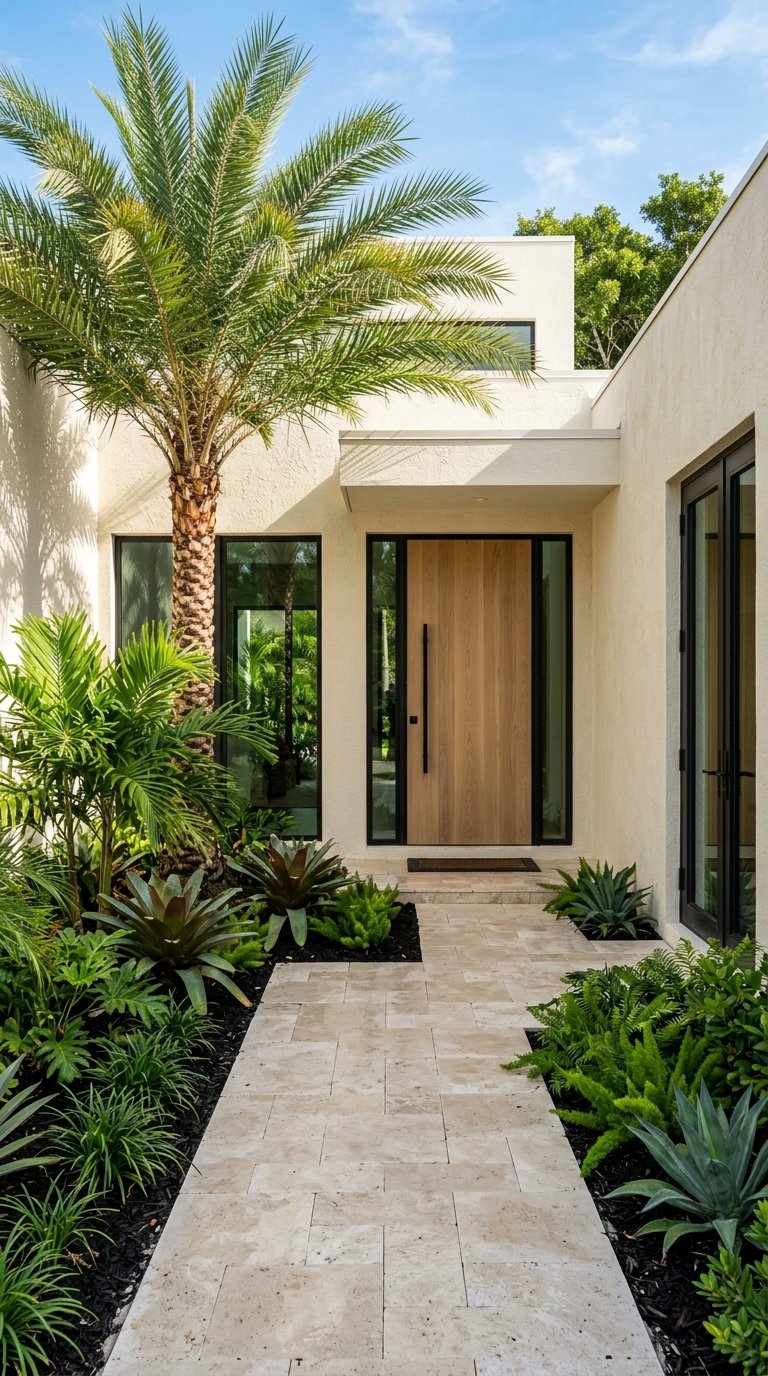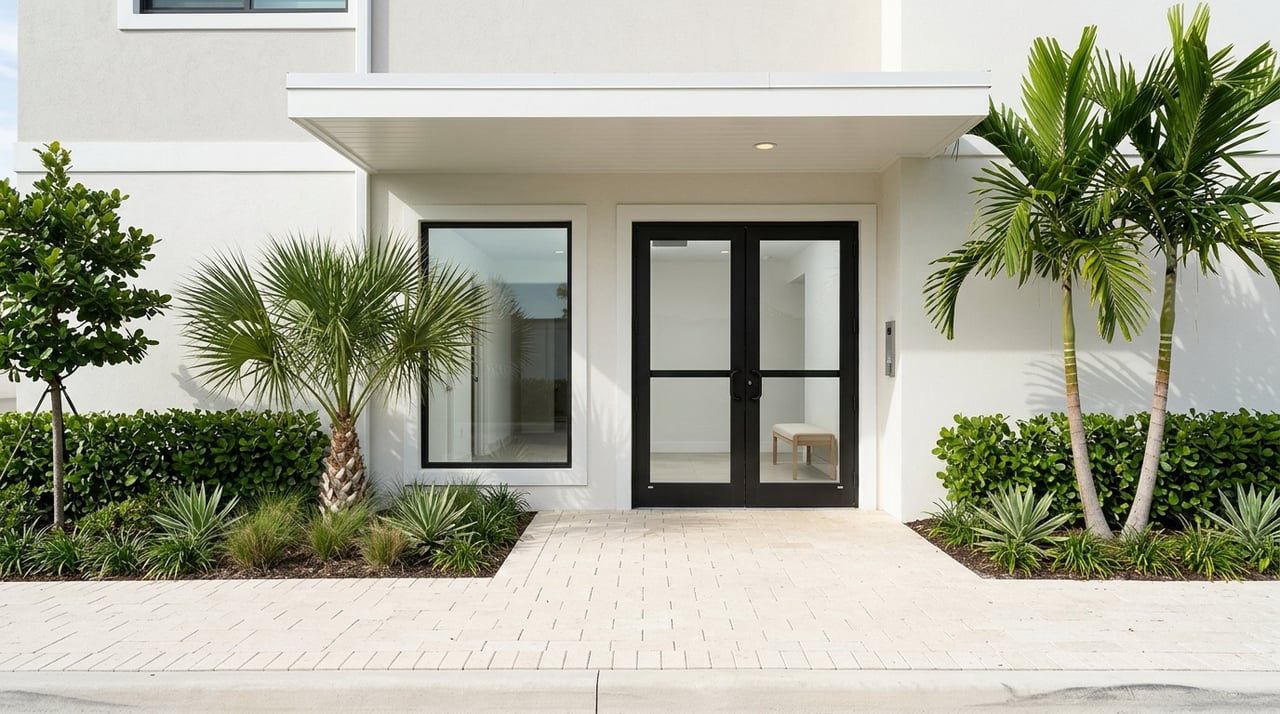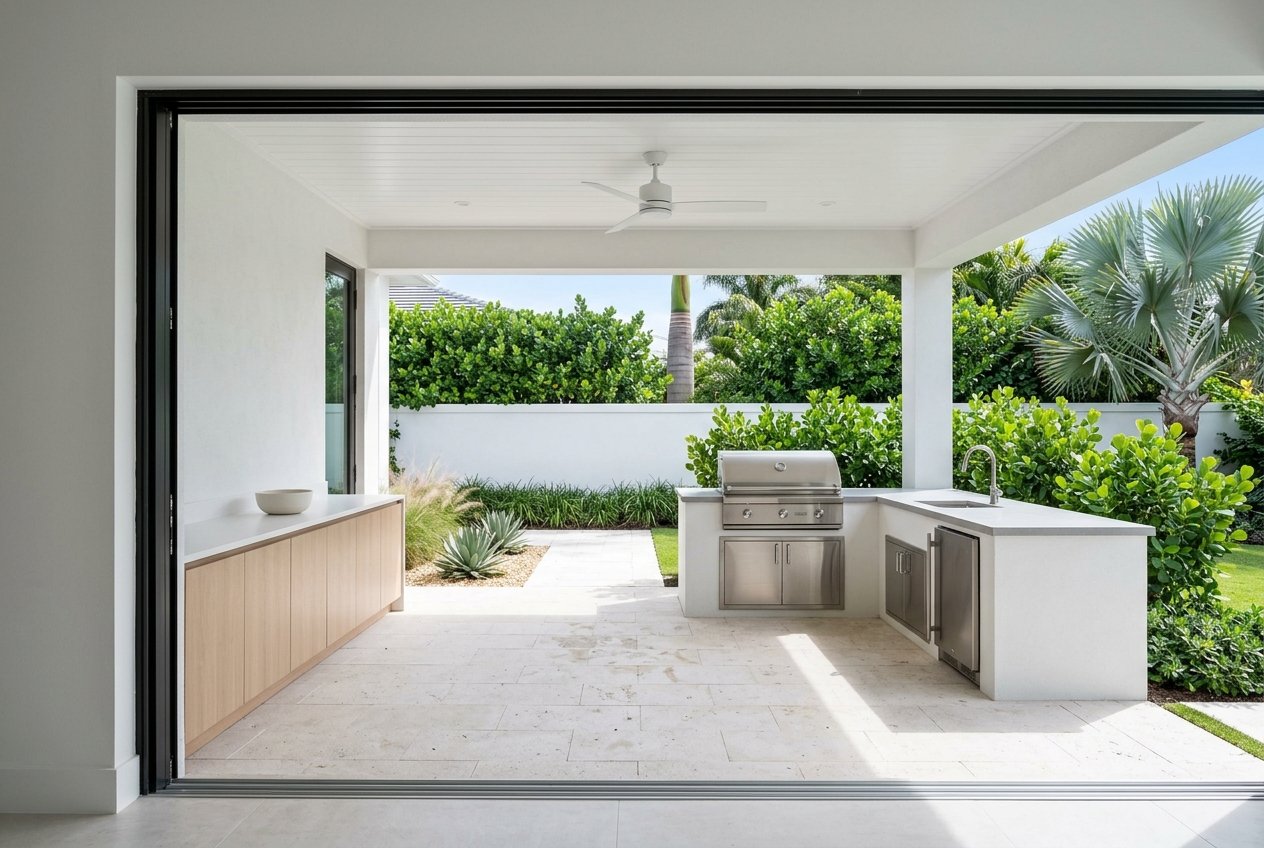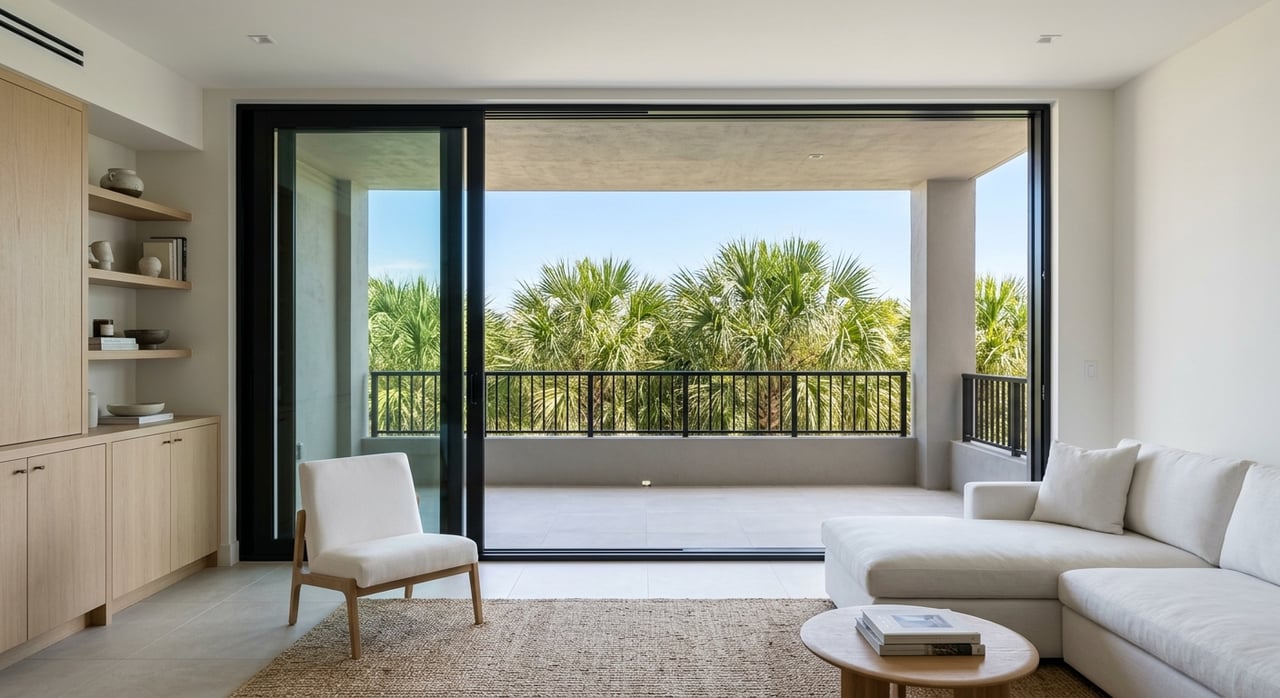
Wondering whether a Siesta Key condo makes sense as your second home? If you love the idea of beach days, easy weekend getaways, and less day-to-day upkeep, it can be a very appealing option. The key is knowing what condo life on this barrier island really offers, along with the costs and rules that come with it. Let’s dive in.
Why Siesta Key appeals to second-home buyers
Siesta Key stands out for buyers who want a beach-centered lifestyle without needing a long to-do list every time they arrive. Sarasota County and Visit Sarasota County describe an island with public beach parking, concessions, and a free trolley that connects Siesta Beach, Siesta Key Village, South Village, Turtle Beach, and downtown Sarasota.
That setup can make short stays feel simple. Instead of spending your weekend driving everywhere, you may be able to walk, use the trolley, and stay close to the beach, dining, and shopping.
Another reason buyers look here is variety. Siesta Key is not just one kind of beach experience, since the island includes both livelier areas near Siesta Beach and quieter stretches around Crescent Beach.
Siesta Key lifestyle: convenience matters
For many second-home buyers, convenience is just as important as the property itself. Visit Sarasota County describes Siesta Key Village as a small downtown a few blocks from the beach, with more than 100 shops, bars, restaurants, and hotels.
That means you can enjoy a full weekend on the island without constantly leaving for basics or entertainment. If your goal is a second home that feels easy to use, that matters.
Siesta Beach also adds practical appeal. According to Visit Sarasota County, it offers swimming, lifeguards, fishing, picnic areas, volleyball, concessions, restrooms, parking, and beach wheelchairs.
Those features can make frequent visits more comfortable, especially if you want your second home to feel ready for a quick trip at almost any time. It is a different experience from owning near a beach that offers little infrastructure.
What condo ownership usually means
A condo is not the same as owning a detached home. In general, you own your individual unit while shared spaces and facilities are owned collectively and managed through a condo association.
For many second-home buyers, that setup is the main appeal. Condo living often means less exterior maintenance for you, and condo fees commonly help cover common-area maintenance, exterior repairs, and sometimes services like water, sewer, trash, recreational amenities, insurance support, or reserves.
This is why condos are often described as good “lock-and-leave” properties. If you are only in town part of the year, lower maintenance can be a major advantage.
Still, condo communities are not all alike. Some may feel more like a resort-style building, while others may be quieter or more residential in layout and amenity package.
The biggest upside of a Siesta Key condo
If your top goal is easy coastal living, a Siesta Key condo can check a lot of boxes. You may get beach access, shared amenities, and a location that supports short visits without the full responsibility of managing a standalone property.
That can be especially attractive if you live out of state or plan to use the home seasonally. A condo may let you spend more of your time enjoying the island and less time worrying about exterior upkeep.
For buyers who picture a simple routine of arriving, unpacking, walking to the beach, and heading out to dinner in the Village, this type of property often fits well. That lifestyle-first value is a big part of the draw.
The tradeoffs to think through carefully
The same features that make condo ownership easy also mean shared control. When you buy a condo, you are joining a community with rules, budgets, and group decision-making.
That matters because your ownership experience will depend not just on the unit, but also on the association. You will want to understand the community’s rules, financial health, and maintenance planning before you commit.
Monthly condo or HOA dues are another important factor. These fees are usually separate from your mortgage payment, so your true monthly cost may be higher than the mortgage alone suggests.
If you are comparing a condo to a detached home, look at the full carrying cost. That includes mortgage, dues, insurance, and any property-specific costs tied to coastal ownership.
Rental flexibility is not automatic
Many second-home buyers ask whether they can rent out the property when they are not using it. On Siesta Key, that answer depends on both county rules and the condo community’s governing documents.
Sarasota County states that on the barrier islands, only RMF-zoned properties may be rented for less than 30 days. Other districts require leases of at least 30 days and do not allow short-term rental use.
That means you should never assume a condo will work for a vacation-rental plan just because it is on the island. You need to verify zoning and association rules before making that part of your buying decision.
For many buyers, this is the dividing line between a lifestyle purchase and a flexibility-first investment. A Siesta Key condo can be an excellent second home, but it may not offer broad rental freedom.
Flood and insurance issues matter here
On a barrier island, flood questions should be front and center. Sarasota County says the area is susceptible to coastal flooding because of its Gulf location, flat topography, and subtropical climate.
The county also notes that most homeowner’s insurance does not cover flood damage. In addition, properties in Special Flood Hazard Areas with federally backed mortgages generally require flood insurance.
Sarasota County’s flood-map page states that FEMA issued new flood maps on March 27, 2024. For buyers, that means flood-zone status and insurance needs should be reviewed carefully as part of the condo search.
This is where local guidance really helps. When you are buying near the water, understanding flood exposure and ownership costs is just as important as liking the view.
Building condition deserves close review
A condo purchase is also a building-level decision. In Florida, structural health and reserve planning are especially important, particularly in buildings that are three or more habitable stories tall.
The Florida Department of Business and Professional Regulation says milestone inspections are required for residential condominium buildings that meet that height threshold. It also explains that a Structural Integrity Reserve Study helps plan for future major repairs and replacement of key structural elements.
As a buyer, you should ask practical questions. How recently was the building inspected, and are reserve contributions adequate for future needs?
You should also review the association’s official records, including the declaration, bylaws, rules, and amendments. This can help you understand how the community operates and whether there are issues like special assessments, rental limits, or restrictions that affect your plans.
Parking and access are worth a closer look
It is easy to assume that beach living means easy parking everywhere, but that is not always the case. Sarasota County’s beach access information shows that some access points have no parking or only very limited parking.
That makes unit-specific and building-specific parking details especially important. You should confirm whether a parking space is included, assigned, or limited.
This may sound minor at first, but it can affect daily convenience in a big way. On an island where beach and village parking can be tight, a reliable parking setup can make your second-home experience much smoother.
When a Siesta Key condo is the right fit
A Siesta Key condo is often a strong match if you want a second home built around beach time, convenience, and lower maintenance. It can work especially well if you picture frequent short stays, seasonal use, and a walkable island routine.
This option may also fit you if shared amenities and association-managed upkeep feel like benefits rather than drawbacks. For many buyers, that tradeoff is worth it because it simplifies ownership.
In short, a condo here is usually strongest as a lifestyle purchase first. If your main goal is to enjoy Siesta Key with less hands-on property management, it deserves a serious look.
When another property type may be better
A condo may be less ideal if you want maximum control over the property. Buyers who prefer a private yard, fewer association rules, or more freedom over exterior decisions may feel more comfortable exploring detached homes instead.
The same is true if your plan depends heavily on unrestricted short-term rental use. County zoning and condo rules can limit that flexibility, so a different property type or location may better support that goal.
The right choice comes down to how you want to use the home. If ease and location matter most, a condo may be the better fit. If control and flexibility matter more, you may want to widen the search.
Final thoughts on the Siesta Key condo question
So, is a Siesta Key condo the right second-home choice? For many buyers, yes, especially if you want a beach-focused escape with lower maintenance and easy access to the Village, the shoreline, and island transportation.
But the best decision is not just about the unit itself. It is about HOA fees, rental rules, flood and insurance questions, building condition, and how well the location matches your pace and plans.
When you look at the full picture, you can buy with more confidence and fewer surprises. If you want a local guide to help you chart the right course on Siesta Key and across Southwest Florida, reach out to The Real Estate Captains.
FAQs
Is a Siesta Key condo a good second home for seasonal living?
- Yes, it can be a strong fit if you want a beach-centered lifestyle, easier upkeep, and a property that works well for weekend trips or seasonal stays.
What should you know about Siesta Key condo fees before buying?
- Condo or HOA dues are usually separate from your mortgage payment, so you should review the full monthly ownership cost before you buy.
Can you use a Siesta Key condo as a short-term rental?
- It depends on Sarasota County zoning and the condo association’s rules, so you need to verify both before assuming short-term rental use is allowed.
Why do flood maps matter when buying a Siesta Key condo?
- Flood maps affect insurance requirements and risk review, and Sarasota County says new FEMA flood maps were issued on March 27, 2024.
What building documents should you review for a Siesta Key condo purchase?
- You should review association records such as the declaration, bylaws, rules, amendments, reserve information, and any details about inspections or special assessments.