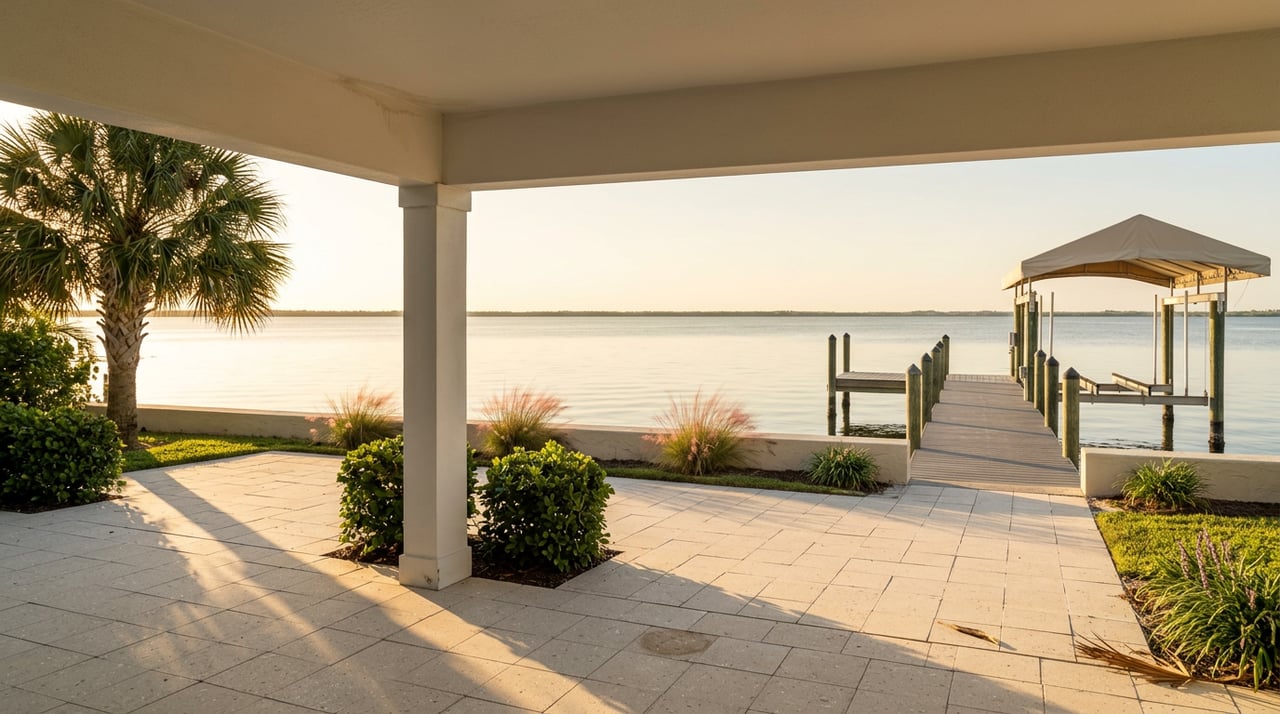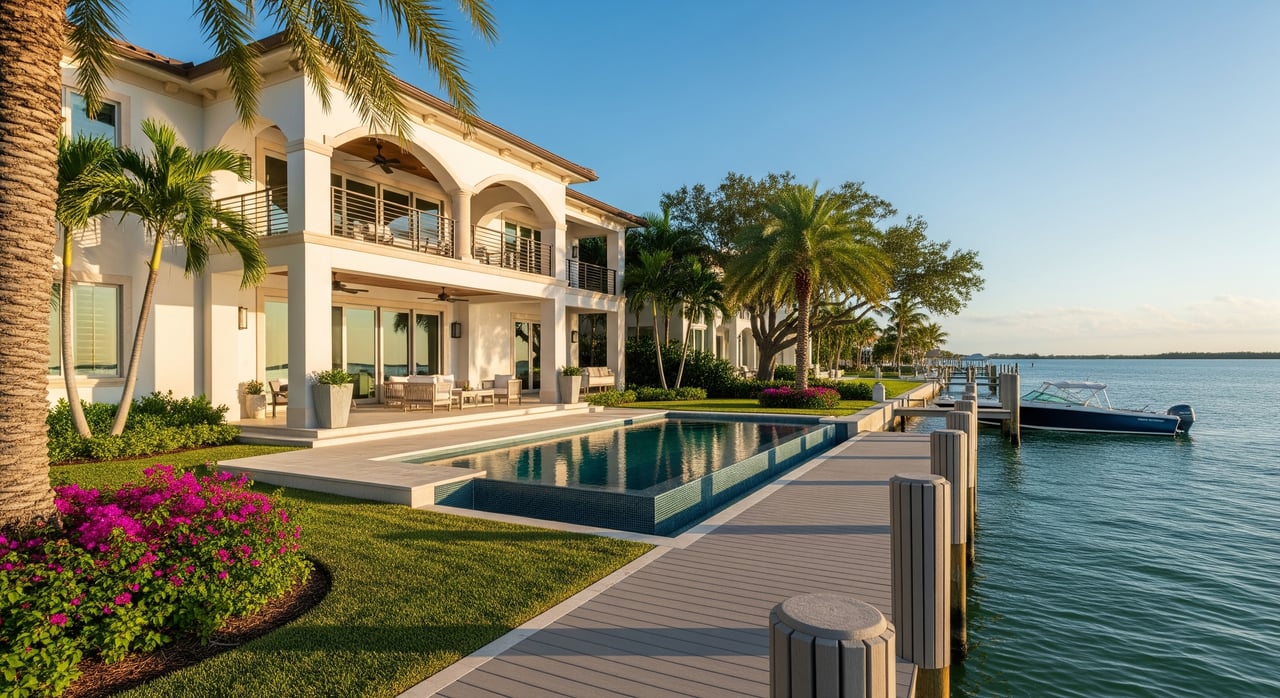
Thinking about buying a home in Sarasota but not sure where to start? You are not alone. Between seasonal demand, coastal premiums, and condo rules, it can feel like a lot to sort through. This guide breaks down what matters most for Sarasota buyers so you can time your search, focus your budget, and avoid costly surprises. Let’s dive in.
How Sarasota’s market moves
Sarasota attracts a mix of full-time residents, retirees, second-home owners, and investors. Seasonal visitors boost activity from late fall through early spring, which can tighten competition for the best listings. Florida’s tax and lifestyle advantages continue to support long-term demand compared with many inland markets.
Market conditions change quickly. Over recent years, many Gulf-coast areas saw periods of low inventory followed by stabilization as mortgage rates increased. Expect coastal and trophy properties to behave differently than entry-level homes. Ask your agent to share the latest local MLS or association snapshots so you have up-to-the-month numbers before you write an offer.
Inventory, timing, and what to expect
Inventory in Sarasota varies by price, location, and property type. Entry-level single-family homes and desirable coastal neighborhoods tend to be tight. Waterfront homes and luxury condos can sit longer, but they attract a different buyer pool with unique goals.
Price brackets and property types
- Entry or more affordable options: condos, townhomes, and smaller inland single-family homes.
- Mid-market: newer subdivisions, family-sized homes, and larger condos that appeal to relocators and move-up buyers.
- Upper-end and luxury: Gulf-front, barrier-island estates, and high-amenity condos where lending and negotiation dynamics can differ.
Remember that “typical” prices shift month by month. Use current MLS data to gauge your target areas before setting expectations.
Days on market and seasonality
Expect faster movement in peak season and in highly sought after areas. Turnkey coastal condos or updated single-family homes can move in weeks when seasonal demand is strongest. Inland neighborhoods and higher price-point waterfront homes often take longer, sometimes several months. Identical homes can sell faster if listed in season than in summer.
Inventory signals to watch
- Months of supply: low supply usually means more competition and potential price pressure; higher supply can create room for negotiation.
- New listings vs pendings: when pendings outpace new listings, demand is tightening; when new listings outpace pendings, buyers may gain leverage.
Coastal vs inland: key trade-offs
Choosing between beachside and inland often comes down to lifestyle, budget, and carrying costs.
Coastal properties: what to know
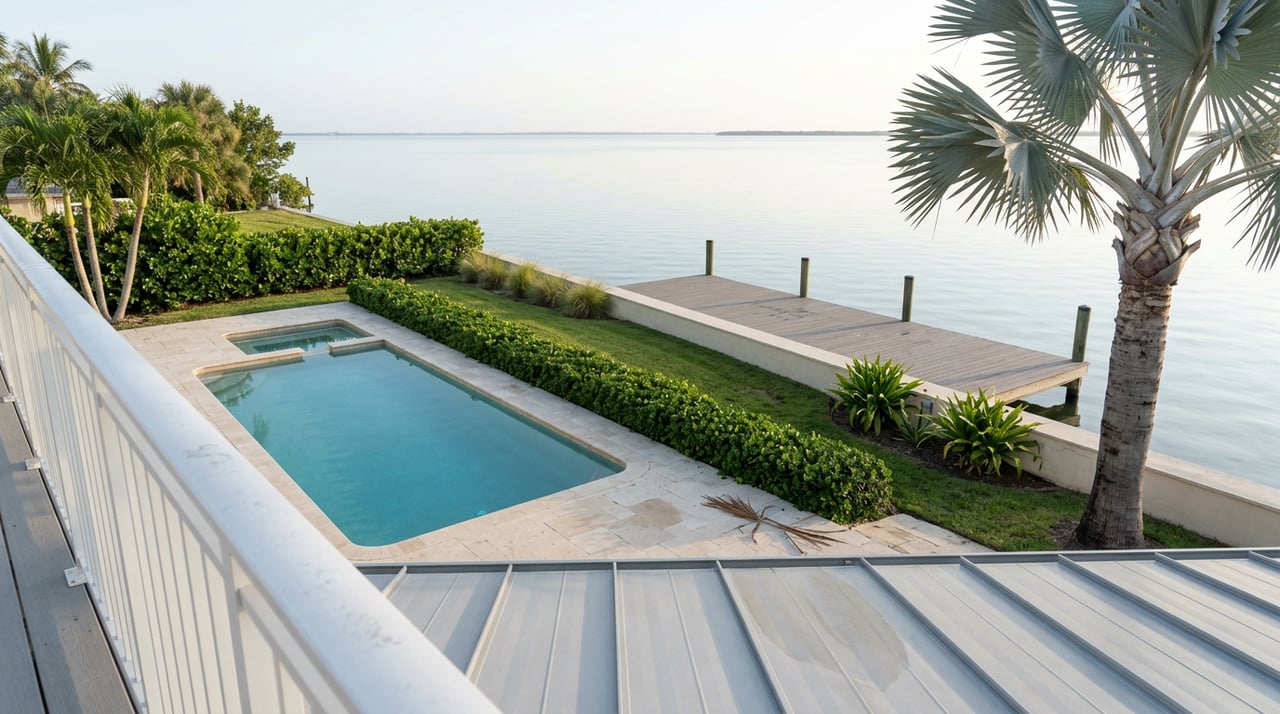
- Property mix: condos, single-family waterfront homes, and luxury estates on barrier islands such as Siesta Key, Lido Key, and Longboat Key.
- Premiums: expect to pay more for Gulf views, walkable beach access, and potential short-term rental income.
- Insurance and risk: many coastal homes have higher wind and flood exposure, which can increase insurance costs and lender requirements. Flood zone designations matter.
- HOA and condo rules: review association fees, reserves, assessments, and rental restrictions. Financial health is especially important in older buildings.
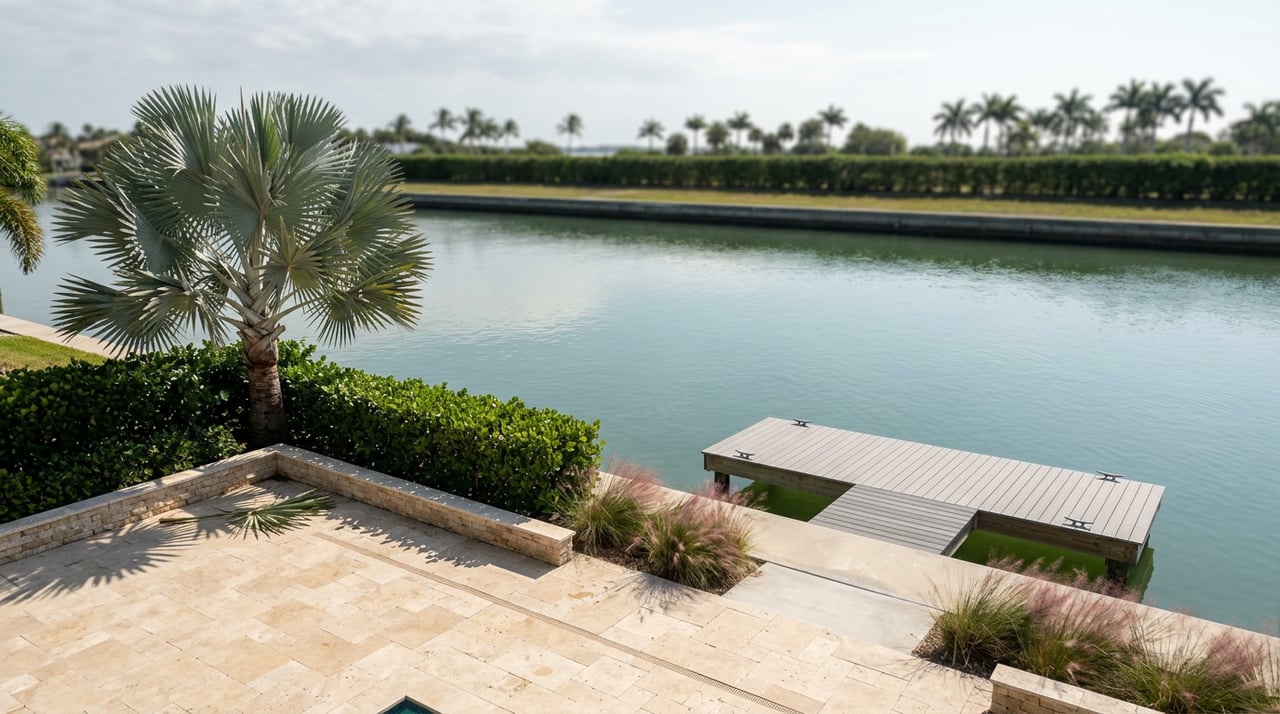
- Maintenance: salt air boosts wear on roofs, metal, and exterior finishes; dock, seawall, and dune care add to upkeep.
Inland neighborhoods: value and convenience
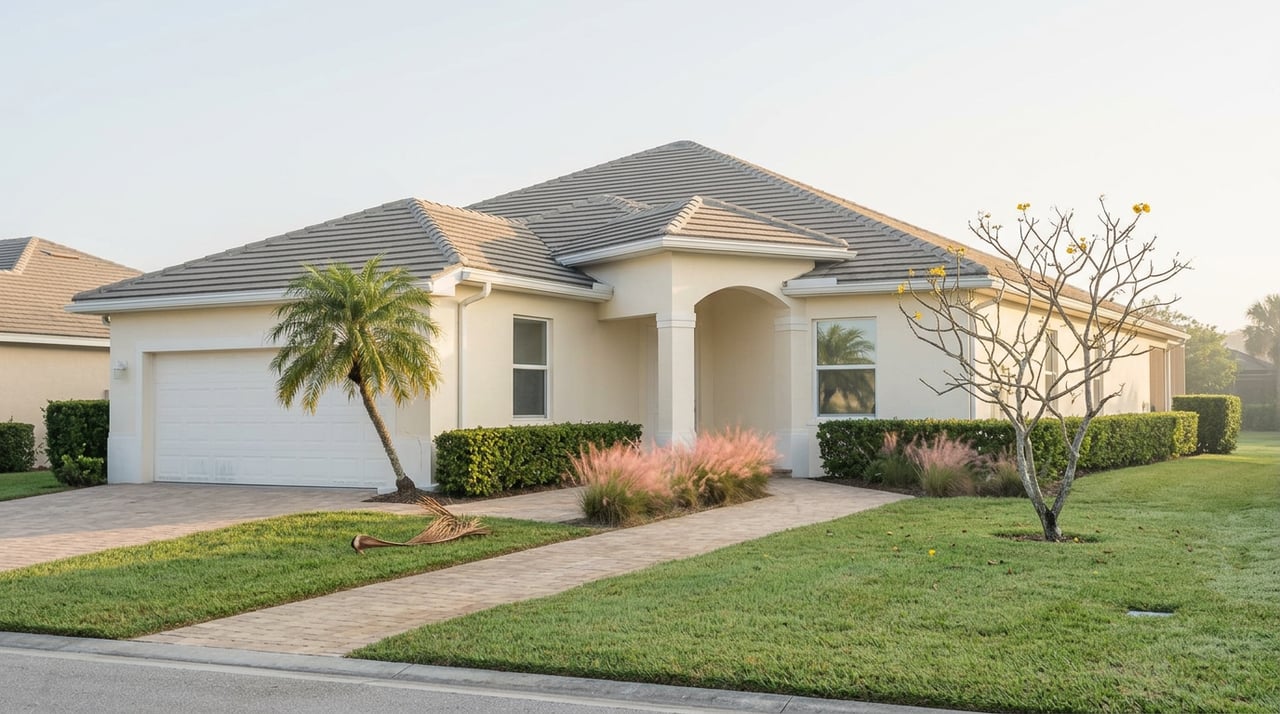
- Price and variety: generally more affordable per square foot with a wider selection of single-family homes and new construction.
- Lower risk costs: many inland areas carry lower flood and wind insurance costs, though you should confirm each property’s maps and coverage.
- Everyday access: often closer drives to shopping, highways, and community amenities, with trade-offs on time to the beach.
- Stable demand: inland areas see steadier year-round activity from permanent residents.
Downtown and planned communities
Downtown Sarasota offers walkable amenities, arts, and dining with a condo-focused inventory. Master-planned areas like Palmer Ranch and nearby Lakewood Ranch provide newer homes, community features, and a range of budgets. Expect block-by-block variation and review current listings with your agent before drawing conclusions.
Set up a smart search
Getting your search tools right helps you act quickly when the right home appears.
MLS alerts and discovery
- Work with a local agent to access full MLS details and set up immediate or daily alerts.
- Save searches by neighborhood, price range, beds, baths, and property type.
- Use keywords like waterfront, Gulf view, pool, updated kitchen, or dock to narrow results.
- Ask your agent about pocket listings or off-market options in high-demand coastal segments.
New construction strategy
The builder pipeline influences mid-market supply around Sarasota and nearby counties. If you are considering new construction, compare lot premiums, delivery timelines, and HOA or CDD obligations with resale options your agent shares from the MLS.
Short-term rental questions
Rules vary widely by community and association. Review municipal rules and HOA or condo documents early. Rental policies can affect your financing, insurance, and long-term use, so verify details before you make an offer.
Financing, insurance, and true costs
Understanding lending and risk helps you craft a strong, realistic offer.
Loans and pre-approval
Conventional, FHA, VA, and jumbo loans are common, with jumbos more typical for high-priced coastal properties. Condos can require stricter project approvals and higher reserves. Get a firm pre-approval, not just a pre-qualification, before you tour seriously in competitive areas.
HOA and condo budgets
Account for monthly association fees and what they cover, such as reserves, roofs, exterior maintenance, and amenities. Review financials, insurance coverage, owner-occupancy ratios, and any pending or recent special assessments. For older buildings, request reserve studies and engineering reports when available.
Insurance and ownership costs
You may need separate wind or hurricane coverage in addition to standard homeowner’s insurance, and flood insurance if the home is in a flood zone or required by your lender. Coastal homes can carry higher premiums and maintenance needs, including seawalls and roof upkeep. Speak with an insurance professional for quotes tied to a specific address.
Inspections, offers, and closing
Plan for thorough due diligence and clear timelines.
Inspections that matter
Standard inspections apply, but coastal properties deserve extra attention. Consider roof, mold, wind-related structural items, and for waterfront homes, seawall and dock evaluations. For condos, review building reports and association reserves.
Offer tactics in different segments
- Coastal hot spots: be ready for multiple offers on move-in-ready homes. Use strong pre-approval letters, larger earnest money, and clear timelines. Escalation clauses are sometimes used, but protect your inspection rights.
- Slower inland segments: buyers may secure concessions on price, closing costs, or repairs. Work with your agent to balance value with long-term fit.
Closing timeline and expectations
Once under contract, most conventional loans close in about 30 to 45 days. Timelines can shift with loan type, title work, and association document turnaround. Short contingency periods are common in competitive areas, so have your lender, inspector, and insurance contacts ready.
Where to get current numbers
For the latest local data, ask your agent to provide fresh reports from:
- Sarasota Association of REALTORS for monthly housing statistics and trends.
- Florida Realtors for statewide and regional analytics.
- The local MLS for neighborhood-level snapshots of median price, days on market, and months of supply.
- Sarasota County Property Appraiser and County GIS for parcel details, tax history, and flood maps.
- FEMA Flood Insurance Rate Maps for official flood zone designations.
- Florida Office of Insurance Regulation and reputable private insurers for current insurance availability and pricing context.
Ready to chart your course with a trusted local guide? Reach out to The Real Estate Captains for hands-on help setting alerts, vetting properties, and crafting a winning Sarasota offer. Visit The Real Estate Captains to get started.
FAQs
When is Sarasota’s home buying season the busiest?
- Buyer activity typically peaks from late fall through early spring, when seasonal residents and out-of-state buyers tour properties and competition increases.
How do Sarasota coastal home prices compare with inland areas?
- Coastal properties usually carry a premium for Gulf access, views, and rental potential, while inland homes are generally more affordable per square foot with broader selection.
What insurance should Sarasota coastal buyers plan for?
- Expect homeowner’s coverage plus separate wind or hurricane policies in many cases, and flood insurance if the home is in a flood zone or required by a lender.
How fast do Sarasota homes sell, and does season matter?
- Turnkey coastal condos and updated single-family homes can sell quickly during peak season, while inland or higher-priced waterfront homes often see longer timelines.
What condo documents should I review before buying in Sarasota?
- Review association financials, reserves, insurance coverage, owner-occupancy rates, rental rules, any litigation, and recent or pending special assessments.
Where can I find current Sarasota housing statistics?
- Ask your agent for the latest reports from the Sarasota Association of REALTORS, Florida Realtors, and the local MLS to get accurate month-to-month figures.
Are short-term rentals allowed in Sarasota homes or condos?
- Rules vary by city and association, so verify local ordinances and HOA or condo documents early; rental policies can affect financing, insurance, and overall ownership goals.