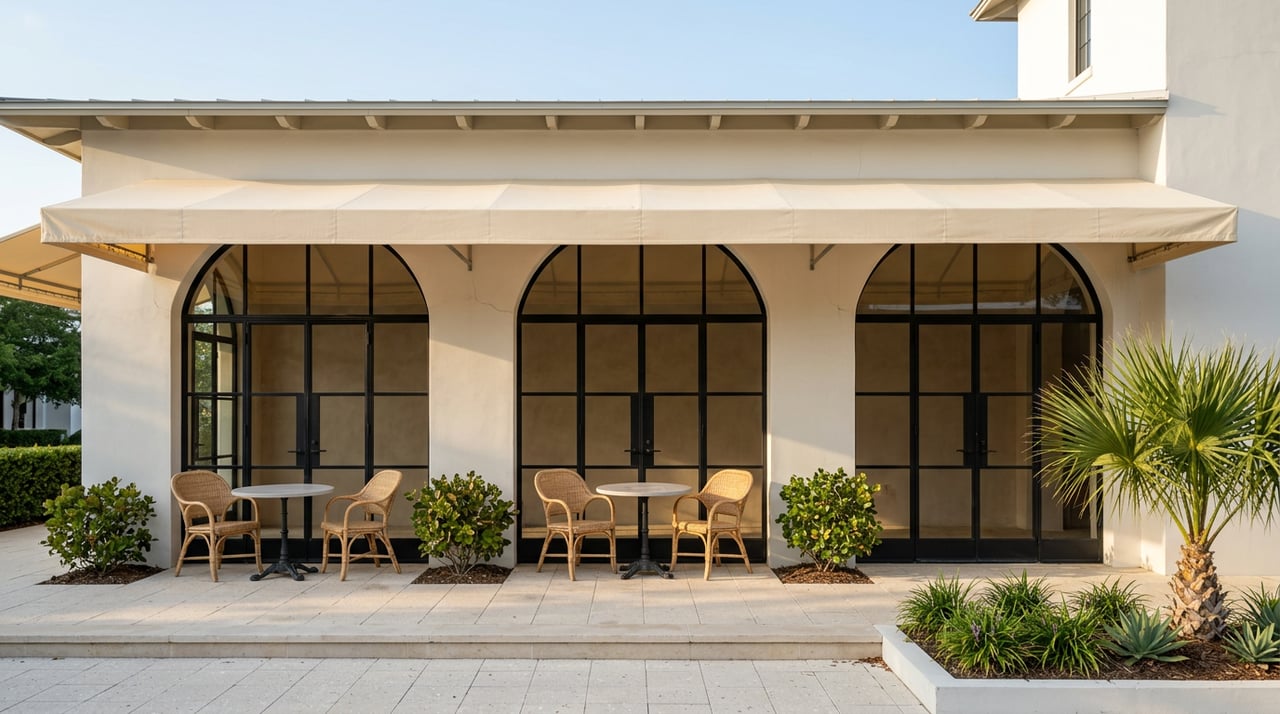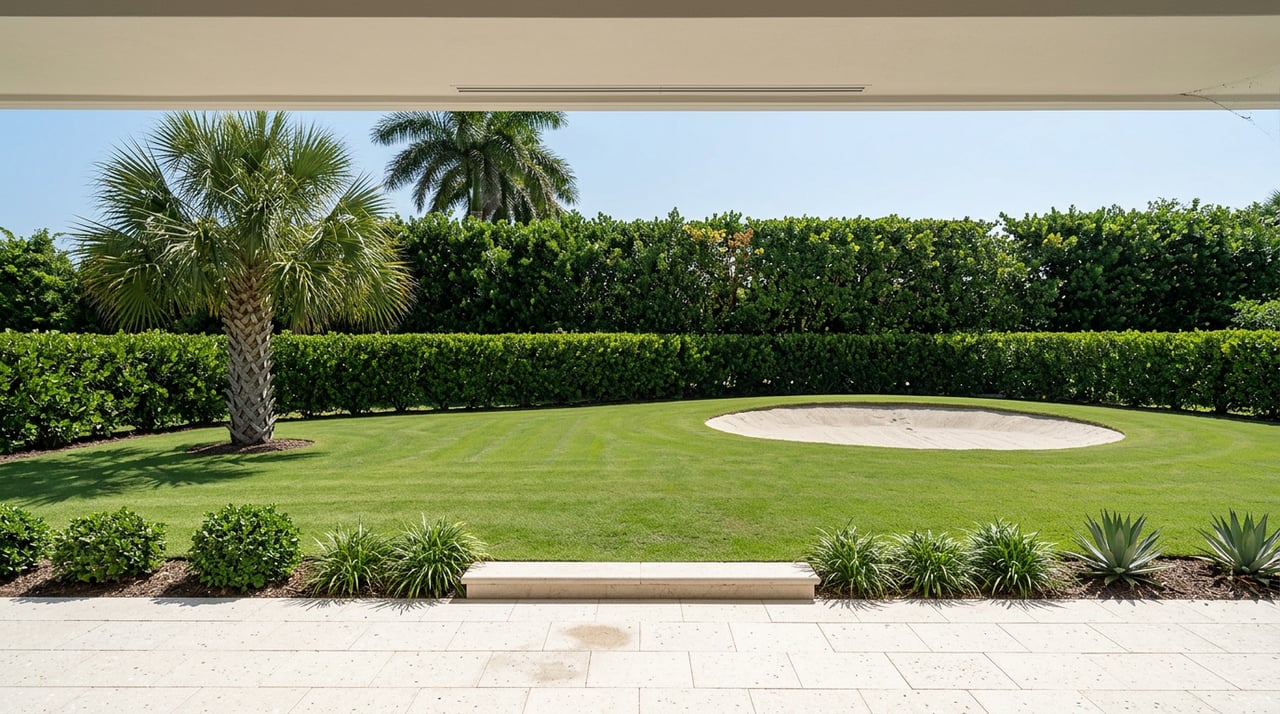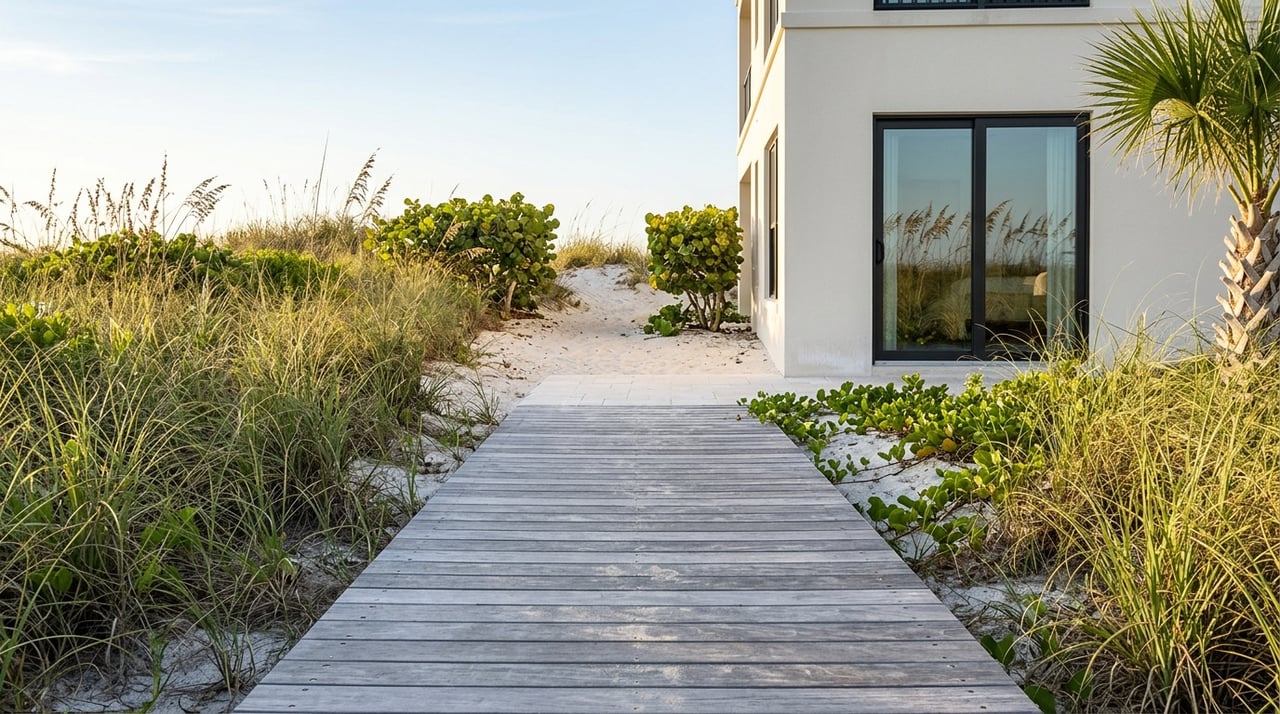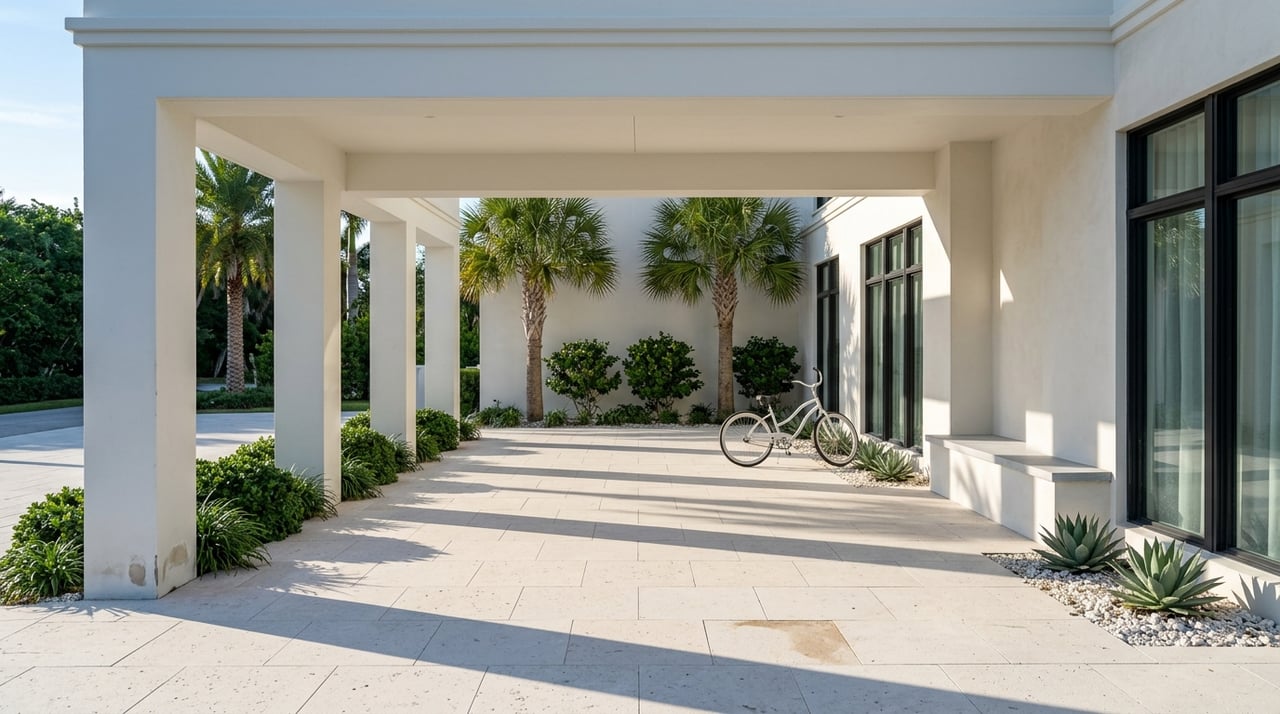
Picture walking into a brand-new home that fits your life from day one, with fresh finishes, modern systems, and a community designed around everyday convenience. If you’re eyeing new construction in Wellen Park, you’re in the right place. You want clear steps, realistic timelines, straight talk on upgrades, and a local’s view of the villages and builders in 34293. This guide gives you the essentials so you can buy with confidence and enjoy the process. Let’s dive in.
Why Wellen Park stands out
Wellen Park is a master-planned community in 34293 that brings together multiple villages, a growing Downtown Wellen, recreation, and everyday services. It consistently ranks among the nation’s top-selling master-planned communities, which keeps top builders active and inventory flowing. You can see those rankings in industry reports that track new-home sales, including the Florida edition from RCLCO.
At full build-out, developer materials describe long-range targets of about 22,000 to 22,500 homes and 50,000-plus residents. Treat those as multi-decade goals as the area grows and infrastructure expands. You can see this scale reflected in industry coverage of leading master plans, including community sales roundups.
Lifestyle and convenience are a major draw. Downtown Wellen blends dining, events, and outdoor spaces, with confirmed expansion in the works. For context on growth, read about the announced 44,000-square-foot Downtown Wellen expansion. You also have CoolToday Park for Atlanta Braves spring training nearby. Taken together, it’s a practical base for relocators who want new construction with amenities close by.
Neighborhoods and builders at a glance
Wellen Park is organized into villages and neighborhoods, each with its own product mix and amenity approach. Start your research with the official Wellen Park neighborhoods page.
Here’s a quick snapshot of some well-known villages and enclaves:
- Sunstone: Mix of single-family homes and villas with neighborhood amenities.
- Palmera: Streetscape by Mattamy with a range of home styles and planned community features.
- Solstice: Built by Toll Brothers, offering design-forward homes and access to community amenities.
- Oakbend: A neighborhood of single-family residences in a village setting.
- Brightmore (55+): Age-qualified neighborhood with amenities tailored to active-adult living.
- Wellen Park Golf & Country Club: Homes tied to golf and country club lifestyle.
- Gran Place: Boutique-feel neighborhood within the larger master plan.
Active national and regional builders include Lennar, Mattamy Homes, Toll Brothers, Neal Communities, Pulte, ICI Homes, M/I Homes, Homes by Towne, David Weekley, Sam Rodgers, and Homes by WestBay. Builder participation varies by neighborhood, so confirm who is building in the village you prefer. For an example of a builder’s product approach, view Lennar’s “Everything’s Included” model at Antigua at Wellen Park.
Why the village matters to you: it determines your HOA and CDD structure, amenity package, school feeders, and likely resale pool over time. That affects lifestyle, monthly costs, and long-term value.
What homes cost today
Across Wellen Park, you’ll find a wide range of price points. Villas and townhomes typically start in the low $300,000s to $400,000s, while larger single-family, golf, and executive homes can run from the high $600,000s to 1 million dollars and up. For a current overview of neighborhoods and positioning, review the Wellen Park community brochure and village listings in the official brochure PDF. Always verify current base prices and incentives with the builder’s sales center before you write an offer.
How the buying and building timeline works
Your exact steps will vary by builder and whether you choose a quick move-in home or a to-be-built plan. Here’s the common sequence you can expect for production homes, supported by national builder timelines and lender guides such as Pulte Mortgage’s overview:
- Community visit and lot review. Tour the neighborhood, review floor plans, and compare lot premiums, exposures, and setbacks.
- Lot selection and reservation. You’ll typically place a deposit to hold the lot and pick your floor plan.
- Builder purchase agreement. The builder uses its own contract. Deadlines and contingencies often differ from standard resale forms.
- Design center selections. Choose structural options first, then finishes during scheduled appointments.
- Permitting and start. The builder submits permits and schedules your start date.
- Construction milestones. Foundation, framing, pre-drywall, drywall, trim, and finishes.
- Walkthroughs and closing. Final orientation and punch list, then closing and move-in.
- Warranty period. Follow the builder’s warranty process for repairs and an 11-month follow-up.
Typical build times for to-be-built homes run about 6 to 12 months from groundbreaking in normal conditions. Quick move-in homes can close in weeks to a few months, depending on status. Weather, permits, material availability, and change orders can shift timelines. Use the builder’s schedule as a guide and keep some cushion.
Quick move-in vs. to-be-built
Both paths can work well. A quick move-in home delivers speed and reduces exposure to future price and rate changes. A to-be-built home gives you more choice on plan, elevation, and finishes, at the cost of a longer timeline and more decisions. If you have a firm move-in date, quick move-in may be the safer route.
Smart upgrades and the design studio
Most builders run an on-site or regional design studio where you’ll make finish selections during scheduled appointments. Toll Brothers, for example, emphasizes a curated experience at its Design Studio. Expect firm deadlines for choices and fees for many upgrades.
Two common upgrade models:
- Bundled features. Builders like Lennar market “Everything’s Included,” which folds many popular features into the base price. See how this looks in practice at Antigua at Wellen Park.
- A la carte. Other builders advertise lower base prices, then invite you to personalize with paid upgrades.
How to prioritize:
- Structural first. Choose items that are hard or costly to add later, such as a 3rd garage bay, extended lanai, pocket sliders, or certain room options.
- High-impact interiors. For finishes, target upgrades you will see and use daily, like flooring in main living areas and kitchen countertops. Many cosmetic upgrades are hard to fully recover at resale.
Also ask about substitutions and lead times. Most builder contracts include a materials-substitution clause if a product is discontinued or delayed. Keep copies of your selections and ask in advance how substitutions are handled and credited. Builders often publish included features and options lists that outline what’s standard and what’s upgrade-only, similar in spirit to this included and optional features document.
Inspections, walkthroughs, and warranties
Even new homes benefit from third-party inspections. Independent inspectors familiar with new construction can spot issues before walls are closed, and again at final. Many buyers schedule phased inspections at slab or pre-pour, pre-drywall, and final, then an 11-month inspection before the workmanship warranty expires. Learn more about typical phased inspections from an inspection provider’s overview on new-construction inspections. Always confirm access rules and timing with your builder in writing.
Before closing, your builder will do a formal walkthrough to create a punch list. Expect a structured post-closing warranty process to handle items that surface after move-in. Keep all communication and repair records in one place.
Most builders offer a tiered limited warranty commonly summarized as 1-2-10. That means one year for workmanship and finishes, two years for major systems such as plumbing, electrical, and HVAC, and 10 years for major structural defects. Review the actual warranty booklet and whether the builder uses a third-party insurer. For a plain-English primer on the structure, see this overview of one-year and builder warranties.
If a serious construction defect arises after the warranty period, Florida law sets windows for potential claims. In 2023, SB 360 shortened the statute of repose for many construction-defect suits from 10 years to 7 years and clarified the triggers that start the clock. If you think you have a latent defect, document early and follow required notice procedures. You can read a summary of these changes in a Florida legal update.
Local permitting: who approves your home
Parts of the Wellen Park area are within the City of North Port, while other parcels remain in unincorporated Sarasota County. This matters because the permitting authority sets inspection practices and milestone requirements, which also tie to warranty and legal timing. You can view North Port’s Wellen Park project information and village maps on the City of North Port site. For parcels under county control, start with Sarasota County’s building permits page. Ask your builder and title company to confirm which jurisdiction applies to your lot.
Negotiation, incentives, and where your agent fits
The on-site sales representative works for the builder. Having your own buyer’s agent means someone is focused on your interests, including contract terms, selection strategy, inspection access, and coordination with lender and title. In many cases, builders offer cooperating commissions so buyer representation comes at no additional direct cost to you.
Negotiation depends on market conditions. When there is flexibility, you might negotiate lot premiums, design-center credits, closing cost help, or certain contract language tweaks. Builders are often more willing to include options or credits than to change base price. An experienced local agent will also help you focus on upgrades with lasting value.
Red flags to watch
- Mandatory binding arbitration and broad class-action waivers in the builder contract.
- Non-refundable deposits or very short deadlines for selections.
- Limited or no access for independent inspections at key milestones.
- Vague or limited warranty coverage with unclear claim steps.
- Large or unexplained lot premiums, or unclear HOA/CDD fees. For a general sense of contract pitfalls to question, review guidance from practitioner resources like a real estate law blog.
A quick pre-close checklist
- Before signing: have your buyer’s agent or an attorney review the builder’s purchase agreement. Confirm deposit size, refund policy, and whether using a preferred lender or title brings incentives.
- At contract signing: calendar your selections deadline and design appointment. Ask whether structural choices affect your projected close date.
- During construction: schedule or confirm pre-drywall and final independent inspections. Keep dated photos and reports for your records.
- Near closing and after: obtain the written warranty document and claim process. Schedule your 11-month inspection. Track punch-list items and follow up in writing.
- For relocators: confirm school feeders, commute times, access to medical services, and HOA/CDD fees. The Wellen Park brochure and neighborhood pages list amenities and community features.
Ready to explore 34293 new homes?
If you’re considering new construction in Wellen Park, we can guide you through villages, builders, timelines, and every signature. You get responsive communication, hands-on support, and local insight from a team that treats your goals like our own. Reach out to The Real Estate Captains to start a focused new-home search and get a clear plan from lot to closing.
FAQs
Do I need my own agent when buying new construction in Wellen Park?
- Yes. The builder’s rep works for the builder. A buyer’s agent helps you compare villages, review contracts, prioritize upgrades, and manage inspections at no additional direct cost in many cases.
Can I hire an inspector for a new build in 34293?
- Yes, and it is recommended. Schedule phased inspections such as pre-drywall, final, and an 11-month check, and confirm builder access rules in writing. See a typical process in this overview of new-construction inspections.
What warranties do Wellen Park builders provide?
- Many offer a tiered 1-2-10 structure: one year workmanship, two years major systems, and 10 years structural coverage. Review the actual warranty booklet and insurer details. Learn more in this warranty explainer.
How long does construction take for a new home in Wellen Park?
- Quick move-in homes can close in weeks to a few months. To-be-built production homes typically take about 6 to 12 months from groundbreaking, with possible delays for permits, weather, or materials. See timeline guidance from Pulte Mortgage.