Shopping for a Sarasota coastal home should feel exciting, not confusing. Yet flood zones, new maps, and changing insurance rules can raise a lot of questions. If you understand a few key concepts, you can compare homes with confidence, budget accurately, and avoid surprises at closing. In this guide, you’ll learn how FEMA zones work in Sarasota, how the 2024 map update affects you, how lenders view flood risk, and what steps help you lock in the right coverage at the right price. Let’s dive in.
Flood zones in Sarasota: what they mean
Flood zones come from FEMA’s Flood Insurance Rate Maps, or FIRMs. These maps show Special Flood Hazard Areas, the 1% annual‑chance floodplain used by lenders and local building codes. The maps are updated from time to time to reflect new data and coastal modeling. You can explore FEMA’s mapping approach to coastal areas and insurance zones in FEMA’s overview of coastal insurance rate maps.
Here are the zone labels you’ll hear most often:
- VE (or V1–V30) is the coastal high‑hazard area with wave action. New construction in VE generally uses open foundations like pilings, and insurance exposure is typically highest.
- AE or A are detailed study zones. These show a Base Flood Elevation (BFE), and if your home is in an AE/A zone and you have a federally regulated mortgage, your lender will require flood insurance.
- Coastal A Zone and LiMWA are informational lines on some coastal FIRMs that mark areas where waves may reach about 1.5 to 3 feet during the base flood. Communities often treat these areas more like V zones for construction. You can read FEMA’s definition in the coastal terminology glossary.
- Zone X indicates lower risk. Keep in mind that many claims occur outside of Special Flood Hazard Areas, so “outside the zone” does not mean “no risk.”
Sarasota’s 2024 flood maps: what changed
Sarasota County and the City of Sarasota adopted updated Flood Insurance Rate Maps effective March 27, 2024. These maps include more coastal detail, including the LiMWA/Coastal A delineation in certain shoreline areas. For any property decision, use the effective panel and current BFE rather than older references. The City’s Flood Information page explains how to look up a property’s zone and BFE on the Map Information portal.
There is also good news on potential premium savings. Sarasota County and the City participate in FEMA’s Community Rating System. Their current CRS class produces a meaningful discount on eligible NFIP policies. The County’s CRS materials note that Class 5 roughly equates to about a 25% discount on qualifying NFIP premiums, applied automatically if the property and policy meet program rules. You can see the county’s CRS information in the flood insurance promotion overview.
How zones affect your mortgage and insurance
If you finance a home in a Special Flood Hazard Area (like AE or VE) with a federally regulated lender, federal rules require flood insurance for the life of the loan. If coverage lapses, lenders can force‑place insurance and charge you. The mandatory‑purchase requirement and implementing rules are outlined in the Federal Register’s interagency guidance.
You can usually choose between the National Flood Insurance Program (NFIP) and a qualifying private flood policy. Regulated lenders must accept private flood insurance that meets the statutory standard. FHA and other federal programs also allow qualifying private flood policies for insured loans. The same Federal Register rule covers lender acceptance of private flood insurance.
NFIP pricing also changed. FEMA’s Risk Rating 2.0 moved from zone‑driven pricing to a property‑specific model that considers factors like first‑floor height, distance to water, multiple flood types, and replacement cost. Two houses on the same street can now see different premiums. Always request an address‑level quote. FEMA’s overview of the new methodology is here: Risk Rating 2.0 guidance.
What NFIP covers and when you may need more
NFIP coverage limits are capped by law for most homes: up to 250,000 dollars for the building and up to 100,000 dollars for contents on 1–4 family dwellings. Higher‑value coastal properties often need excess or private flood coverage to close the gap. The NFIP also includes an Increased Cost of Compliance benefit that can help with mitigation after substantial damage, but the statutory cap is limited and may not cover full elevation or retrofit costs. For details on program limits and policy structure, see the Congressional Research Service overview.
Elevation, ECs, and build type: keys to cost
Your home’s first‑floor height relative to the Base Flood Elevation is one of the biggest drivers of NFIP premiums and long‑term risk. In general, more height above BFE can lead to lower premiums. Foundations also matter. VE zones typically require open foundations like piles or piers. Coastal A areas may be built to V‑like standards in practice. FEMA’s coastal insurance rate maps page explains how coastal hazards show up on FIRMs and influence construction.
An Elevation Certificate (EC) documents a building’s critical elevation points. Insurers use ECs to rate some policies, and you need an EC to support certain FEMA Letters of Map Amendment or Revision. The City of Sarasota maintains instructions and an EC availability map. If a seller does not have an EC, you can order one from a licensed surveyor. Start with the City’s page on Elevation Certificates and Forms.
Sarasota coastal homebuyer checklist
Use this quick plan to evaluate any waterfront or near‑water home:
- Verify the effective map and zone. Look up the property’s current FIRM panel, zone, and BFE on the City’s Map Information page. Confirm you are using the March 27, 2024 effective map.
- Request documents from the seller. Ask for an Elevation Certificate and any flood insurance declarations pages for recent NFIP or private policies. If an EC is not available, budget for a new survey‑level EC. The City’s EC resources explain what insurers need.
- Compare coverage for the exact address. Get an NFIP quote and at least one private quote at the coverage limits you require. Because of Risk Rating 2.0, address‑level pricing matters more than a generic zone estimate. See FEMA’s Risk Rating 2.0 guidance.
- Check structure and foundation type. VE zones call for V‑zone construction like piles or piers. Coastal A recommendations often lead to V‑like standards. Build type influences both insurability and premiums. See FEMA’s coastal mapping overview.
- Plan for mitigation. NFIP’s ICC benefit helps after substantial damage, but the statutory limit is often not enough to cover full elevation or retrofits. Factor contractor estimates into your long‑term costs and consider grants or local programs when available. The CRS overview explains ICC and NFIP structure.
- Confirm lender requirements early. If a lender’s flood determination places the home in an SFHA, you must have acceptable flood insurance in place before closing. Regulated lenders must accept qualifying private flood policies that meet the rule. Review the interagency rule summary.
- Ask about prior flood losses. Prior paid NFIP claims for the building can affect pricing under Risk Rating 2.0. Request the seller’s insurance and claim history where available, and ask underwriters how past claims are treated. The CRS backgrounder discusses surcharges and policy mechanics.
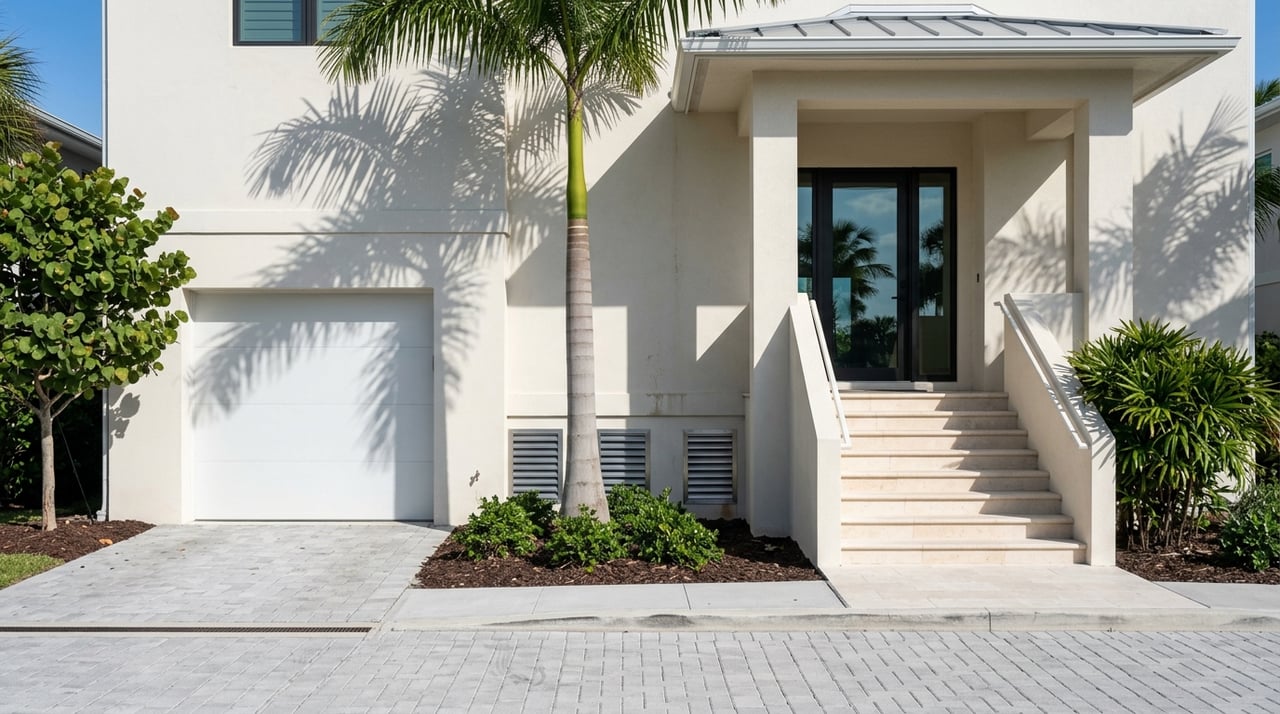
- Consider non‑structural upgrades. Elevate utilities, add compliant flood vents to enclosed areas below the lowest floor where allowed, and choose flood‑resistant finishes. These steps reduce claim severity and can improve how a home performs during storms. Coordinate with City or County permitting.
Budgeting tips for premiums and closing
Ask the seller for the current NFIP declarations page to understand the in‑force premium and deductibles. Then ask an insurer for the property’s estimated full‑risk rate under Risk Rating 2.0. NFIP rules limit how fast certain policies can increase each year, but it helps to know the long‑term number so you can plan. The Congressional Research Service overview explains statutory caps and how increases phase in over time.
If your home value exceeds NFIP limits, price an excess or private flood policy so you understand the true replacement‑cost picture. Compare more than price. Look at coverage for contents, other structures, waiting periods, and replacement cost vs. actual cash value in both NFIP and private options. Remember to apply Sarasota’s CRS discount to eligible NFIP quotes; it should be automatic on qualifying policies.
Where to find Sarasota flood info fast
- Look up your zone and BFE on the City’s Flood Map Information page.
- See if an Elevation Certificate is already on file, and learn how to order one, on the City’s Elevation Certificates and Forms page.
- Review Sarasota County’s CRS participation and policyholder discounts in the county flood insurance promotion overview.
- Brush up on FEMA’s coastal terms like Coastal A and LiMWA using FEMA’s coastal glossary.
- Learn how FEMA builds coastal maps and how those maps guide insurance on the coastal insurance rate maps page.
Work with a local guide who knows the water
Buying near Sarasota’s bays, keys, and Gulf shoreline is different. The best results come from pairing the right home with a clear understanding of flood risk, lender rules, and insurance costs. You do not have to figure this out alone. Our team lives and works along the Gulf Coast and helps you focus on the properties that fit your lifestyle and budget so there are no surprises at closing. We will help you request the right documents, coordinate timelines, and keep you pointed to the official resources you need to make a confident decision.
Ready to talk through a specific address or compare neighborhoods by flood profile? Reach out to The Real Estate Captains for friendly, on‑point guidance tailored to your Sarasota coastal search.
FAQs
What is a Special Flood Hazard Area in Sarasota?
- It is the 1% annual‑chance floodplain shown on FEMA’s FIRMs; homes in AE or VE with federally regulated mortgages must carry flood insurance per the interagency rule.
Do I need flood insurance in Sarasota’s Zone X?
- Lenders do not mandate it in Zone X, but floods can still occur outside SFHAs; evaluate your risk and consider optional coverage per FEMA’s coastal mapping guidance.
How does Risk Rating 2.0 change premiums on Sarasota coastal homes?
- NFIP pricing now reflects property‑specific factors like first‑floor height, distance to water, flood frequency, and replacement cost; always get an address‑level quote using FEMA’s Risk Rating 2.0 framework.
What changed with Sarasota’s March 27, 2024 flood maps?
- The latest effective FIRMs added updated coastal detail, including LiMWA/Coastal A delineations; check the current map and BFE on the City’s Map Information page.
Does Sarasota offer NFIP premium discounts through CRS?
- Yes. The City and County’s CRS class currently yields a meaningful discount on eligible NFIP policies, noted as roughly 25% at Class 5 in the county’s CRS overview.
Will my lender accept a private flood policy for a Sarasota home?
- Regulated lenders must accept private flood insurance that meets the statutory standard; see the Federal Register guidance.
What is a Base Flood Elevation and why does it matter?
- BFE is the modeled water level for the base flood; building higher than BFE generally reduces NFIP premiums and informs construction standards per FEMA’s coastal mapping resources.
How much coverage can I get through the NFIP for a high‑value Sarasota home?
- NFIP caps are 250,000 dollars for the building and 100,000 dollars for contents for most 1–4 family homes; many buyers add excess or private policies per the CRS program overview.